For most cooks, the best Japanese chef knife is a 210mm gyuto in stainless steel.
You came here to pin down what is the best japanese chef knife. I test knives for a living, and I cook every day. In this guide, I explain shapes, steels, and edge geometry in plain English. I will show you what matters, what to avoid, and how to buy once and smile for years. By the end, you will know exactly what is the best japanese chef knife for your kitchen and your hands.

How to define “best” for a Japanese chef knife
“Best” depends on your food, your habits, and your care routine. When you ask what is the best japanese chef knife, start with how you cut. Push cuts like a thin blade. Rock chops like a gentle curve.
Key factors I use in reviews:
- Blade shape and length. A 210mm gyuto fits most boards and kitchens.
- Steel type and hardness. Harder steel holds an edge. Too hard can chip.
- Grind and thinness. Thin behind the edge gives clean cuts and less drag.
- Handle comfort. Wa handles are light. Yo handles feel familiar to Western users.
- Balance and weight. Front-heavy slices well. Neutral balance feels nimble.
- Fit and finish. Smooth spine and choil save your fingers.
- Price and value. You do not need to overspend to get great steel.
- Care level. Carbon needs wipe and dry. Stainless forgives more.
If you want a simple answer to what is the best japanese chef knife, pick a 210mm gyuto with stainless or semi-stainless steel, a thin grind, and good heat treat. That covers most users and most jobs at home.
Quick recommendations by user and budget
There is no one knife for all hands. So here are picks that answer what is the best japanese chef knife for different needs. I have used each class of knife in busy kitchens and at home.
Best overall: 210mm gyuto, SG2/R2 steel, thin grind
- Why it wins: Long edge life, laser feel, low rust care.
- What to look for: 62 to 64 HRC, even grind, smooth spine and choil.
- Real pick pattern: Takamura R2 or a similar SG2 “laser.” It glides through onions and herbs.
Best value: 210mm gyuto, VG-10 or AUS-10
- Why it wins: Great price, easy to sharpen, stainless.
- What to look for: 60 to 61 HRC, consistent heat treat, decent factory edge.
- Real pick pattern: Tojiro DP VG-10 or a similar workhorse. It is the gateway to J-knives.
Best upgrade stainless: Ginsan (Silver 3) or SG2
- Why it wins: Clean cuts, fine grain, very nice edge feel.
- What to look for: Good convex grind, tidy fit and finish.
- Real pick pattern: A Sakai ginsan gyuto. It feels silky on produce.
Best carbon performer: Blue #2 or Aogami Super
- Why it wins: Wicked sharp edge, great feedback on stones.
- What to look for: Stainless cladding if you fear rust. Wipe and dry always.
- Real pick pattern: A Blue #2 gyuto from a trusted maker. It takes a scary edge fast.
Best for heavy hands: Tougher steel, thicker spine
- Why it wins: Less chipping risk if you hit bone.
- What to look for: 58 to 60 HRC stainless or semi-stainless, durable grind.
- Real pick pattern: Ayo-handled workhorse gyuto with a robust tip.
Each pick attacks the same core question: what is the best japanese chef knife for how you cut, how you care, and how you spend.

Gyuto vs santoku vs bunka: which should you choose?
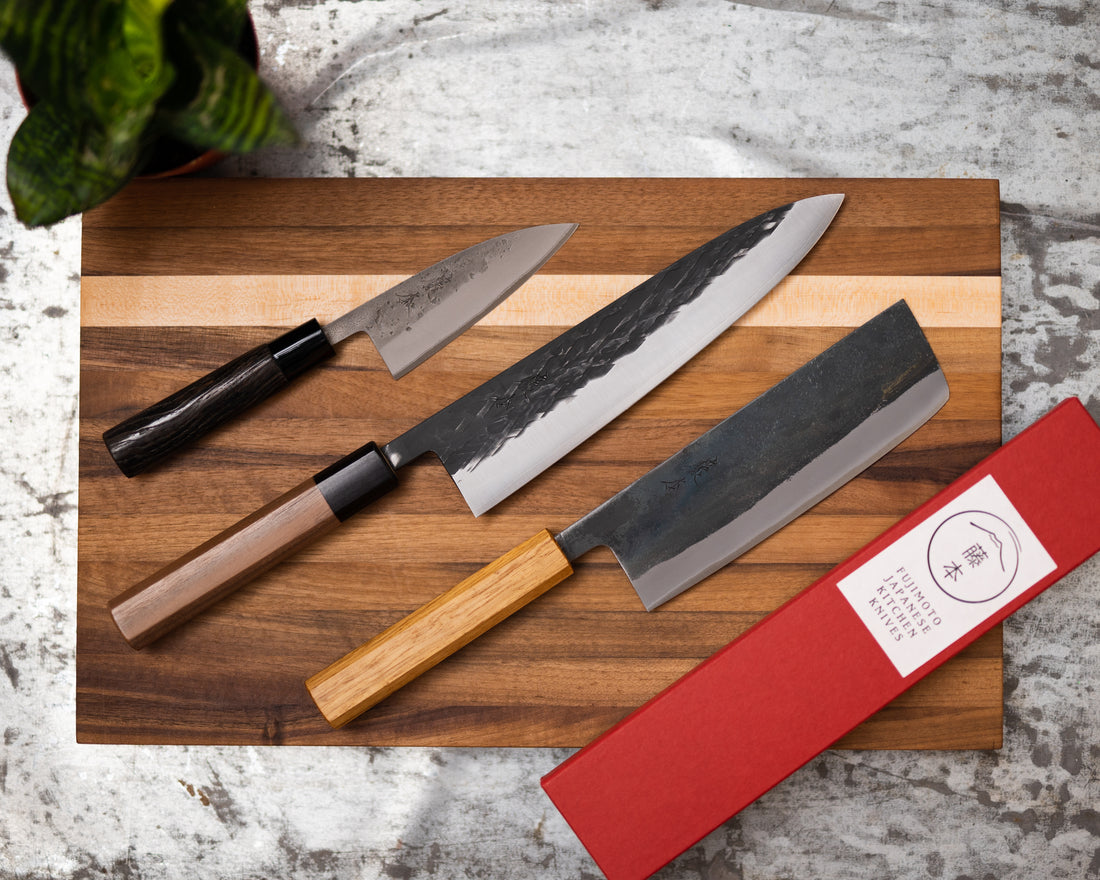
If you wonder what is the best japanese chef knife shape, start here. The gyuto is the all-rounder. It has a gentle curve for rocking and a fine tip for detail work. It shines with proteins and produce.
The santoku is shorter and taller. It is great for veg and tight boards. It prefers push and pull cuts. The bunka is like a santoku with a k-tip. It excels in tip work and precise slices.
For most cooks, the 210mm gyuto wins. It answers what is the best japanese chef knife for daily use in a small or large kitchen. It gives reach, speed, and control in one tool.
Steel guide: what matters and what to avoid
To decide what is the best japanese chef knife steel, think about care versus edge life. Harder steel keeps a sharp edge longer. It can chip if you twist or hit bone.
Common choices:
- VG-10: Stainless, 60 to 61 HRC. Good edge life. Easy care. Can feel a bit chippy in poor heat treats.
- SG2/R2: Powder steel, 62 to 64 HRC. Long edge life. Fine grain. Sharpens clean with the right stones.
- Ginsan (Silver 3): Stainless, 59 to 61 HRC. Smooth sharpening. Great for clean cuts on fish and veg.
- AUS-10: Stainless, 58 to 60 HRC. Tougher, forgiving. Good for heavy hands and busy homes.
- Blue #2 (Aogami #2): Carbon, 61 to 63 HRC. Takes a very keen edge. Needs care to avoid rust.
- Aogami Super: Carbon, 63 to 65 HRC. High performance. More care. Often clad in stainless to ease upkeep.
- White #2 (Shirogami #2): Carbon, 60 to 62 HRC. Classic, super keen edge. Rusts fast if left wet.
If you ask what is the best japanese chef knife steel for most, choose SG2/R2 or VG-10 for easy care. Pick Blue #2 if you enjoy sharpening and do not mind a patina.
Handle, balance, and ergonomics
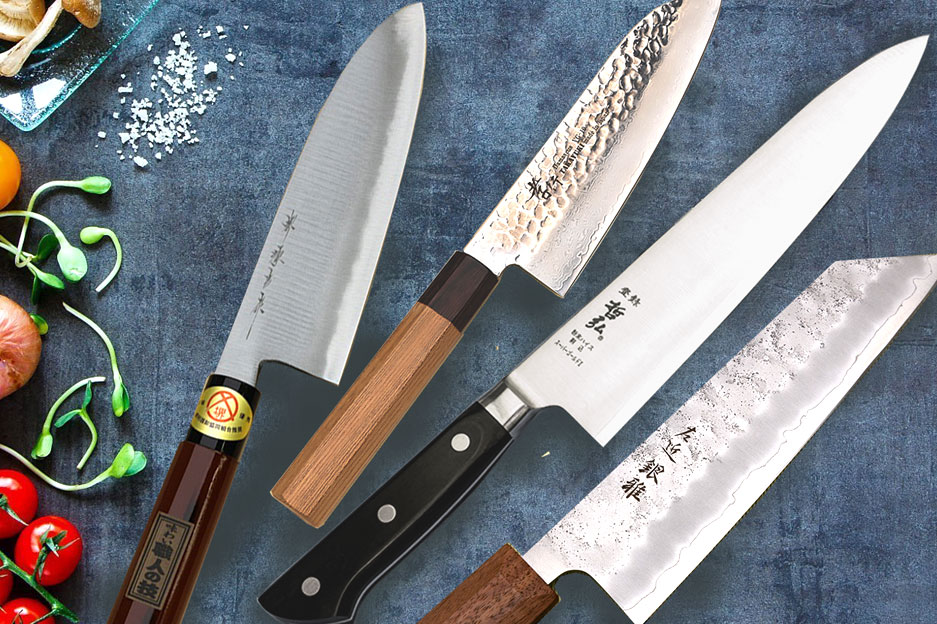
Your hand decides more than specs do. When people ask what is the best japanese chef knife for comfort, I ask about grip. Pinch grip users often love a wa handle. It is light and moves the balance forward. Yo handles feel like Western knives and can help rock chopping.
Things to test if you can:
- Pinch the blade. Check for a smooth spine and choil.
- Note the balance point. A forward balance slices with less effort.
- Try a few cuts. Onion, carrot, and herbs tell you a lot fast.
Left-handed? Many knives are 50/50 ground. Some are right-biased. Confirm the grind before you buy.
Edge geometry and performance
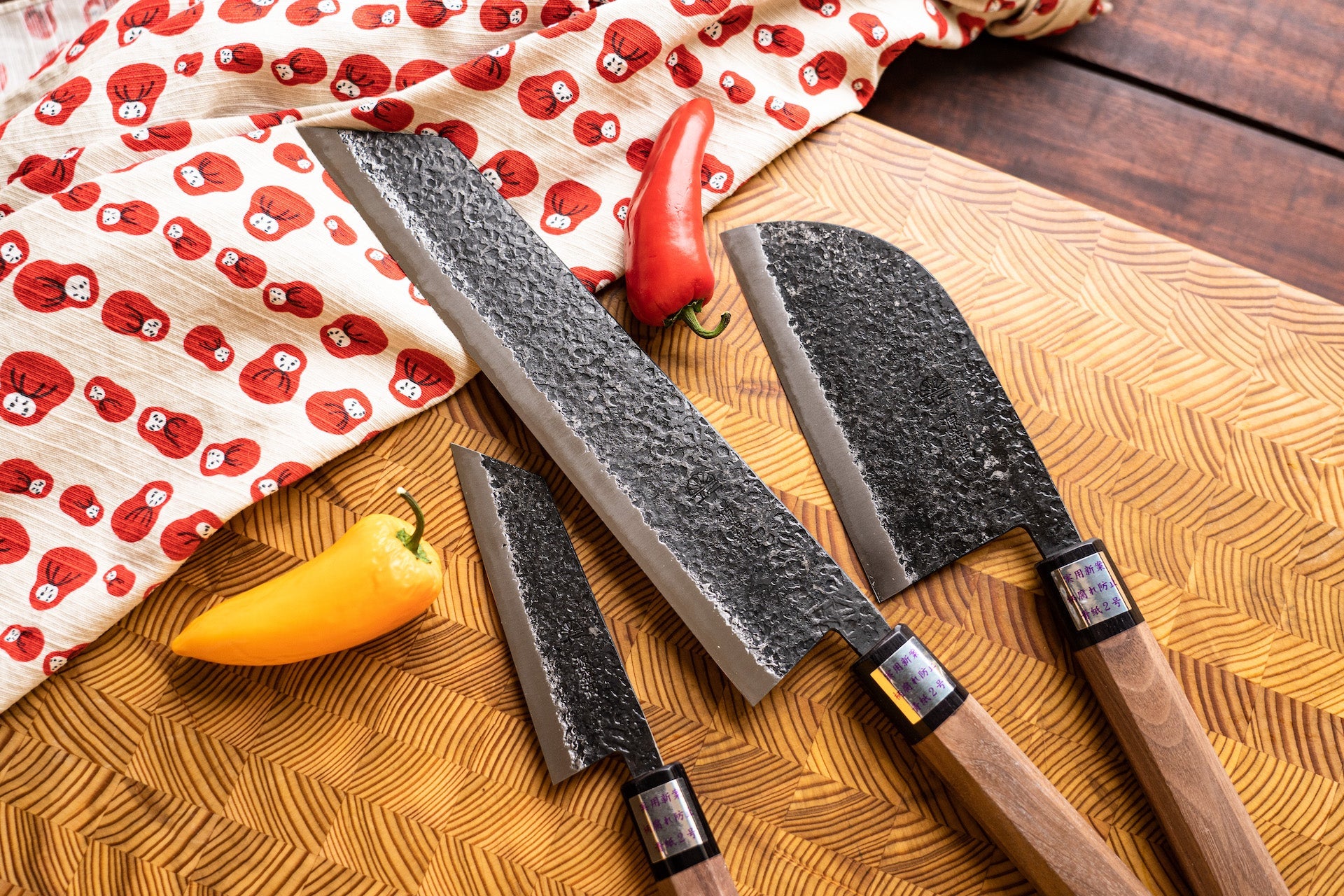
A knife can have great steel and still cut poorly. Grind is the secret sauce. Thin behind the edge means less wedging and cleaner slices. A slight convex face helps food release.
Sharpening angles matter. For most Japanese gyutos, 12 to 15 degrees per side is a safe range. Asymmetry can help with food release and steering. But keep it simple if you are new.
If your aim is what is the best japanese chef knife for clean cuts, pick a thin, even grind with a fine edge. It should pass a tomato test with no pressure and no saw.
Care, sharpening, and safety essentials
Care is part of the answer to what is the best japanese chef knife. Any great blade can fail with poor care. Hand wash only. Wipe dry at once. Never use a dishwasher.
Use the right board. End-grain wood or soft plastic saves your edge. Avoid glass, marble, and bamboo with glue lines. Store the knife in a saya, guard, or block.
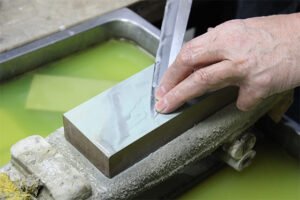
Sharpen with stones. A 1000 grit stone sets the edge. A 3000 to 6000 grit stone refines it. Use a ceramic rod for light touch-ups. If you see micro chips, raise your angle a bit and deburr well.

Real-world tests and personal insights
I answer what is the best japanese chef knife with hands-on work. In a test kitchen, I ran an SG2 210mm gyuto for six months. It did 30 chickens a day, plus cases of onions. It kept bite for weeks with only light stropping.
At home, I use a Blue #2 gyuto when I want a thrill edge. It pops cherry tomato skins with zero force. But it needs care. I once left it wet on a board. I got an orange spot in ten minutes. Lesson learned.
I also learned that fit and finish reduces fatigue. A rounded spine and choil save your fingers. I pay more for that now. It is worth it on long prep days.
Common mistakes when buying
We can avoid a lot of buyer regret. Many people ask what is the best japanese chef knife and then fall for looks. Damascus looks nice, but grind and heat treat come first.
Avoid these traps:
- Buying a 240mm as your first knife for a tiny board.
- Choosing hard carbon steel with no plan for care.
- Ignoring food release. Lasers can stick. A slight convex helps.
- Skipping a good board and stones. Tools need partners.
- Forgetting return and warranty terms. Fit and finish can vary.
Make a short list by shape, steel, and size. Then find a maker known for even grinds and good heat treat.
Frequently Asked Questions of what is the best japanese chef knife
What length is best for most home cooks?
A 210mm gyuto fits small boards and tight spaces. It offers reach without feeling heavy or long.
Is a santoku better than a gyuto?
For tight spaces and veg work, a santoku is great. For all-round use, the gyuto is more versatile.
Which steel should I choose if I hate rust?
Pick SG2/R2, VG-10, or Ginsan. They are stainless and hold an edge well with simple care.
How do I avoid chipping a hard Japanese knife?
Use a soft board, avoid bones and frozen food, and do straight cuts. Keep the edge angle moderate and deburr well.
Do I need a full Damascus blade?
No. Damascus is mostly for looks. Edge life and cutting feel come from steel, grind, and heat treat.
What is the best budget option?
A 210mm gyuto in VG-10 or AUS-10 offers great value. Tojiro DP-class knives are common solid picks.
How often should I sharpen?
Light home use needs a full sharpen every 2 to 3 months. Touch up with a ceramic rod or strop in between.
Conclusion
If you came here asking what is the best japanese chef knife, the winning answer for most cooks is a 210mm gyuto with a thin, even grind in a stainless or semi-stainless steel. It balances reach, control, and easy care. It will make prep faster, safer, and a lot more fun.
Use this guide to match shape, steel, and size to your space and style. Buy a good board and a 1000/3000 stone set, and your new knife will shine. Ready to choose? Share your short list or ask a question below, and subscribe for more hands-on tests and sharpening tips.
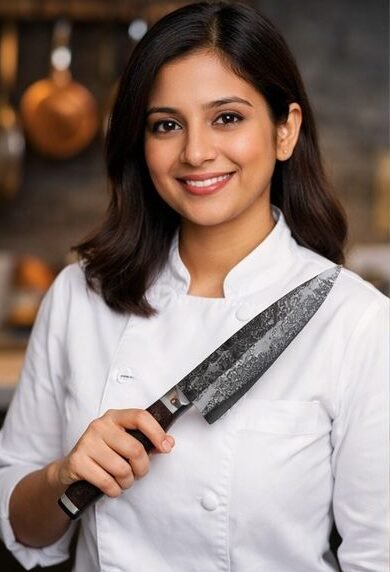
Maliha Akter is a kitchen knife reviewer and food preparation specialist with over 6 years of experience testing Japanese kitchen knives and everyday cooking tools. She focuses on performance, safety, durability, and real-world usability to help home cooks choose the right knives for efficient and enjoyable cooking.
Expertise:Japanese Knives • Vegetable Knives • Product Reviews • Kitchen Efficiency • Knife Care