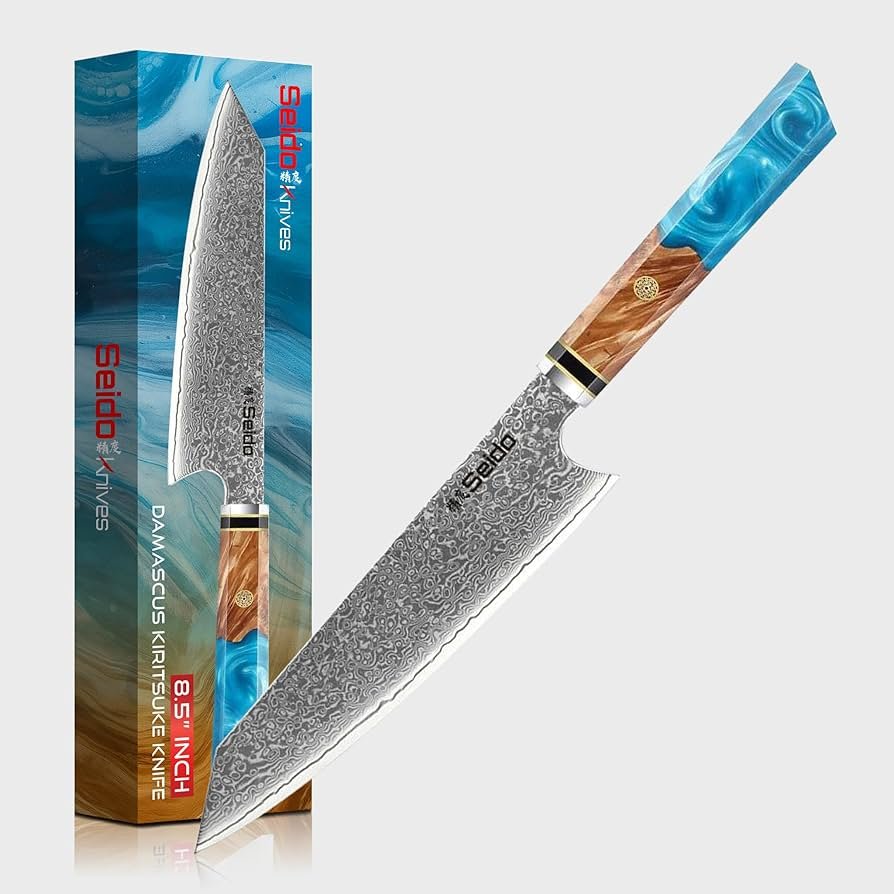
A kiritsuke knife guide explains use, care, and selection for chefs and home cooks.
I have spent years working with Japanese knives in pro kitchens and at home. This kiritsuke knife guide draws on that hands-on experience and hard data to give clear advice. Read on to learn what a kiritsuke is, how it differs from other blades, how to use it safely, and how to choose and care for one that fits your work and budget.

What is a Kiritsuke Knife?
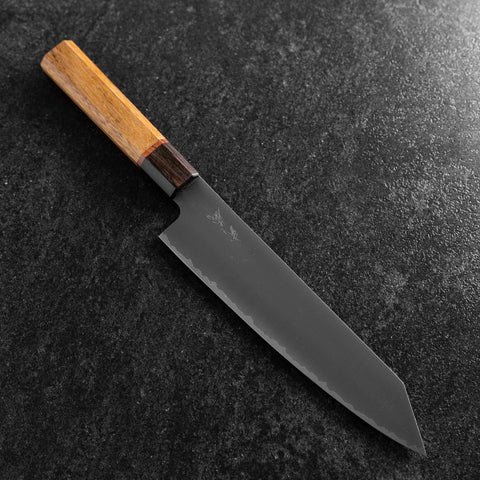
A kiritsuke knife guide should start with the basics. The kiritsuke is a traditional Japanese-style chef knife. It blends features of the yanagiba and usuba. The blade is long, flat, and often has a clipped point. It serves as a multi-purpose chef knife for slicing, chopping, and fine work. The kiritsuke can be single-bevel or double-bevel depending on maker and intended use.
This kiritsuke knife guide clarifies why chefs prize the blade. The long edge gives a clean push-slice. The angled tip lets you finish cuts with control. In pro kitchens, it is a status tool and a workhorse when used correctly.

Kiritsuke Knife Anatomy and Variations
This kiritsuke knife guide breaks the knife into parts. Know the main areas before you buy or sharpen.
- Blade tip: The clipped tip is called a kiritsuke point. It helps for delicate work.
- Edge: Can be single-bevel or double-bevel. Single-bevel yields sharper slicing on one side.
- Spine: The thick top of the blade that affects weight and balance.
- Heel: The rear edge for heavy chopping.
- Tang and handle: Full tang or partial tang. Handle shape differs by maker and region.
Common variations include:
- Double-bevel kiritsuke for right- and left-handed cooks.
- Single-bevel kiritsuke that mimics traditional usuba profiles.
- Western-style kiritsuke that blends a tapered tip with a thicker spine.
This kiritsuke knife guide helps you spot the right profile for your skill level and kitchen needs.

How to Use a Kiritsuke Knife
This kiritsuke knife guide focuses on technique and safety. Use the kiritsuke like a long gyuto or hybrid slicer. For straight slices, use a smooth push-slice motion. For vegetables, use a gentle rocking or push cut depending on blade length.
Grip and stance tips:
- Hold the bolster or handle with a pinch grip for control.
- Keep your guiding hand in a claw shape to protect fingertips.
- Use the full length of the blade for long cuts to reduce drag.
Practical examples I use often:
- Slicing fish thin for sashimi using long, single strokes.
- Slicing large vegetables in even sheets with the blade’s long edge.
- Finishing cuts where the clip point gives more control.
This kiritsuke knife guide also warns that the kiritsuke is not ideal for heavy cleaving. Use the heel for harder work or switch to a heavier knife.

Sharpening and Maintenance
This kiritsuke knife guide covers proper sharpening. Sharpening a kiritsuke depends on its bevel type. Double-bevel blades sharpen like other chef knives. Single-bevel blades need angled care on the flat side and polishing on the bevel.
Steps to sharpen:
- Soak a water stone as recommended.
- Set the correct angle: 10–15 degrees per side for double-bevel; 12–18 degrees on the bevel for single-bevel.
- Use coarse grit to set edge, then finer grits to refine.
- Finish with a leather strop for a polished bite.
Maintenance tips:
- Hone regularly to keep the edge aligned.
- Avoid dishwashers and running water that cause chips.
- Reprofile the edge when chips or dullness persist.
This kiritsuke knife guide emphasizes patience. Take time with each stroke. Sharpening is a learned skill and pays off in better cuts.

Choosing the Right Kiritsuke Knife
This kiritsuke knife guide helps you pick the right model. Start by matching the blade to your work and strength.
Considerations:
- Blade length: 240–300 mm suits most cooks. Longer blades favor sashimi and big veg.
- Steel type: High-carbon steel holds edge longer but needs more care. Stainless is lower maintenance.
- Bevel type: Single-bevel for traditional slicing and right-handed chefs. Double-bevel for ease of use and ambidextrous cooking.
- Handle: Japanese wa handles feel light and balanced. Western handles can be more ergonomic for heavy use.
Budget and brand notes:
- Entry-level kiritsuke knives offer good value and easier upkeep.
- Mid-range blades balance steel quality and hand finishing.
- High-end blades bring better steel, fit, and long-term edge life.
I tested several models over the years. My advice: choose a blade you can handle confidently. This kiritsuke knife guide values fit and feel over flashy specs.

Common Mistakes and How to Avoid Them
This kiritsuke knife guide lists common errors and fixes. Avoid these to get the most from your knife.
- Mistake: Using the kiritsuke for heavy chopping.
- Fix: Reserve heavy tasks for a cleaver or santoku.
- Mistake: Neglecting sharpening.
- Fix: Hone weekly and stone as needed.
- Mistake: Buying a blade that is too long.
- Fix: Test lengths to find one that fits your cutting board and reach.
- Mistake: Ignoring bevel type.
- Fix: Choose single-bevel only if you are ready for the care and technique.
Small changes in habit improve safety and cut quality. This kiritsuke knife guide recommends starting slow and practicing basic cuts.
Care and Storage
This kiritsuke knife guide covers safe care and storage to keep your blade sharp and rust-free.
Daily care:
- Wash by hand with mild soap and warm water.
- Dry immediately to avoid stains and rust.
- Oil high-carbon blades lightly after drying if you store them long-term.
Storage options:
- Magnetic strip keeps the blade accessible and dry.
- Wooden saya or blade guards protect the edge in drawers.
- Knife rolls are good for transport but not for long-term display.
I once left a high-carbon kiritsuke damp and learned the cost. A quick wipe and a drop of oil saved months of wear. Small habits prevent big damage.

Frequently Asked Questions of kiritsuke knife guide
What makes a kiritsuke different from a gyuto?
A kiritsuke blends a long slicing edge with a clipped tip. A gyuto is a general chef knife with a curved belly for rocking cuts.
Is a kiritsuke good for home cooks?
Yes, if you want precise slicing and have room for a longer blade. It suits cooks who slice a lot of fish or large vegetables.
Should I choose single-bevel or double-bevel?
Choose single-bevel if you want traditional Japanese slicing and can learn the maintenance. Choose double-bevel for ease and ambidextrous use.
How often should I sharpen a kiritsuke?
Hone weekly for regular use and stone when the edge dulls or chips. Frequency depends on use and steel quality.
Can a kiritsuke be used for bones?
No. Avoid bones and hard joints. Use a cleaver or heavier blade for that work.
How do I store a kiritsuke safely?
Store it on a magnetic strip or in a saya. Keep it dry and avoid contact with other blades to protect the edge.
Conclusion
A kiritsuke knife guide helps you understand one of the most elegant and useful Japanese blades. You now know what a kiritsuke is, how it differs from other knives, how to use it safely, and how to choose and care for one. Start by trying a mid-range blade that fits your hand and practice simple slicing drills. Your skills will grow with steady sharpening and mindful use. If this guide helped, try a hands-on test at a store, subscribe for updates, or leave a comment with your kiritsuke questions.
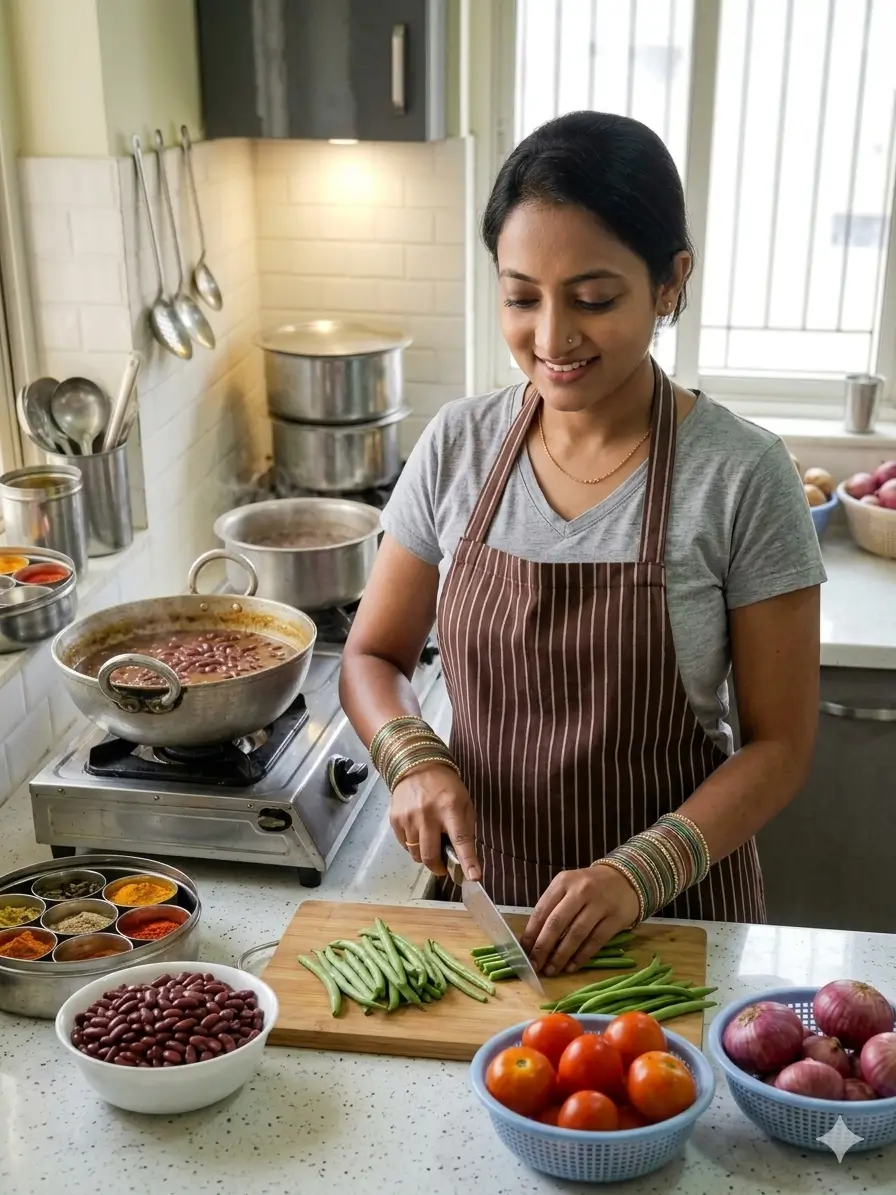
Maliha Khatun has spent 5 years hands-on testing Japanese knives for everyday home cooks. She has evaluated over 60 blades across nakiri, santoku, gyuto, and petty categories — scoring each on edge retention, steel quality, handle comfort, and value for money. She writes to help home cooks buy the right knife without the guesswork.
Expertise:Japanese Knives • Vegetable Knives • Product Reviews • Kitchen Efficiency • Knife Care
Leave a Reply