A chef knife buying guide helps you choose the right blade, balance, and maintenance routine.
I’ve spent years testing blades in home kitchens and restaurants. This chef knife buying guide distills that experience into clear steps. Read on to learn which blade fits your cooking, which materials hold an edge, and how to buy with confidence.

Why a good chef knife matters
A quality chef knife changes how you cook. It speeds prep work, reduces fatigue, and improves safety. The right blade makes chopping smooth. This chef knife buying guide helps you choose a knife that lasts and fits your style.

Key features to evaluate in this chef knife buying guide
Choosing a chef knife starts by checking core features. Focus on blade material, construction, weight, and handle feel. These determine performance, upkeep, and cost. Below are the main features to evaluate when using this chef knife buying guide.
Blade material
Blade material affects sharpness, edge life, and rust resistance. Harder steels hold an edge longer but are harder to sharpen. Stainless steels resist rust. Carbon steels cut very well but need more care.
Construction: forged vs stamped
Forged blades are heated and hammered into shape. They often have a bolster and balance. Stamped blades are cut from a sheet and are lighter and less costly. Both can be good; choose by feel and budget.
Blade profile and length
Blade length affects reach and control. An 8-inch chef knife is a classic balance. A 6-inch fits small hands and small kitchens. A 10-inch suits large tasks. The profile (curved vs flat) affects your chopping or push-cut technique.
Edge geometry and hardness
Edge angle and hardness (HRC rating) influence cutting and sharpening. Narrow angles slice better but dull faster. Harder steel (higher HRC) resists wear. Softer steels are easier to sharpen at home.
Handle, balance, and weight
The handle shape affects grip and comfort. Full-tang construction gives balance and durability. Heft matters: a heavier knife can cut through dense food, but lighter knives give faster control. Test the balance point near the bolster.
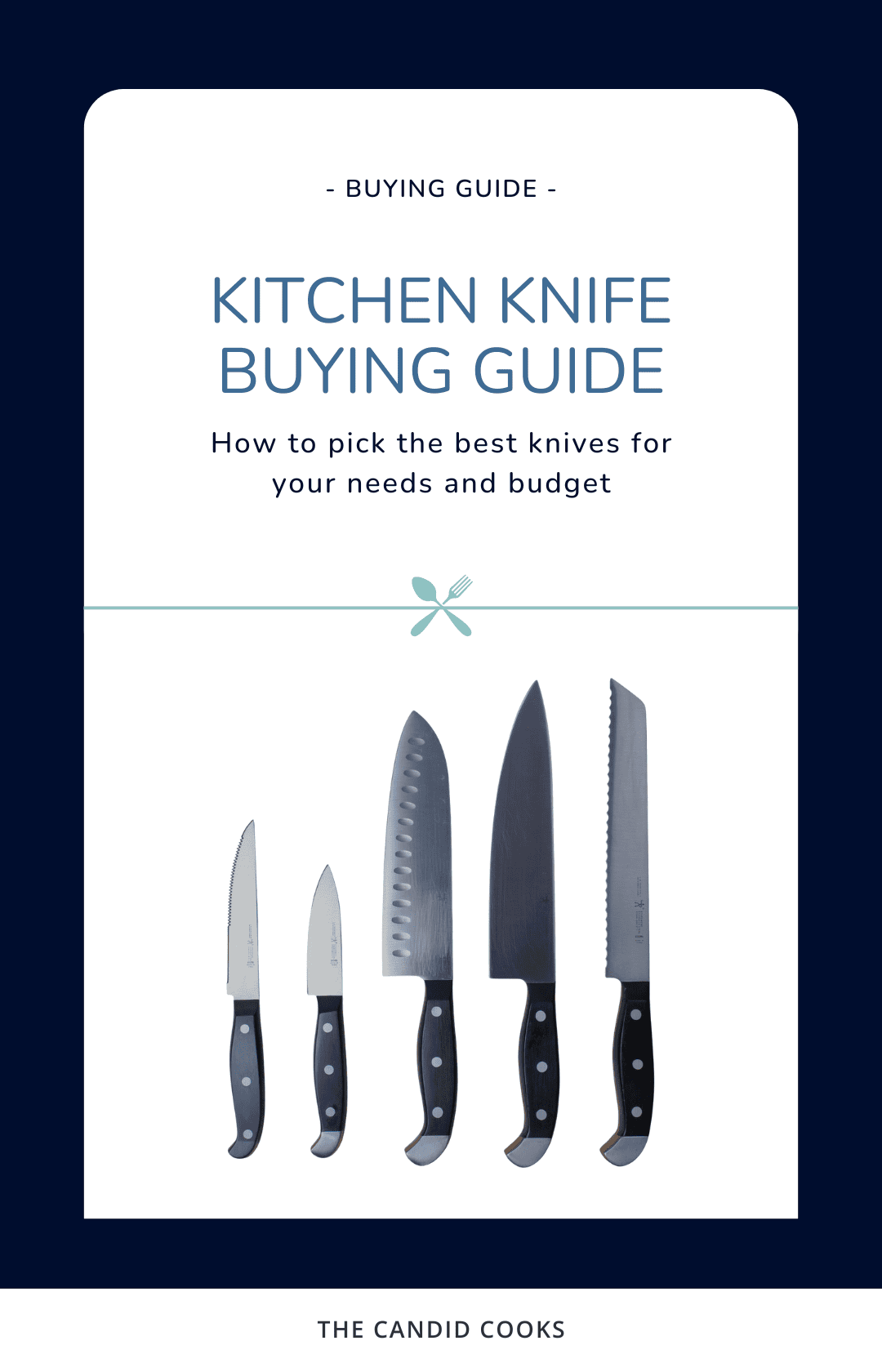
Blade materials compared for this chef knife buying guide
Understanding steel types helps you match care level and budget. Here’s a concise comparison to guide your purchase.
- Stainless steel
- Resists rust and stains. Good for busy kitchens and low maintenance.
- High-carbon stainless
- A great balance of edge retention and corrosion resistance.
- Carbon steel
- Takes a keen edge and sharpens easily. Needs drying and oiling to avoid rust.
- Powder metallurgy / modern alloys
- Excellent edge life and uniform grain. Often pricier.
- Damascus-style blades
- Layered look and good performance when made well. Focus on core steel, not just pattern.
Use this chef knife buying guide to match steel traits to your kitchen habits and maintenance willingness.
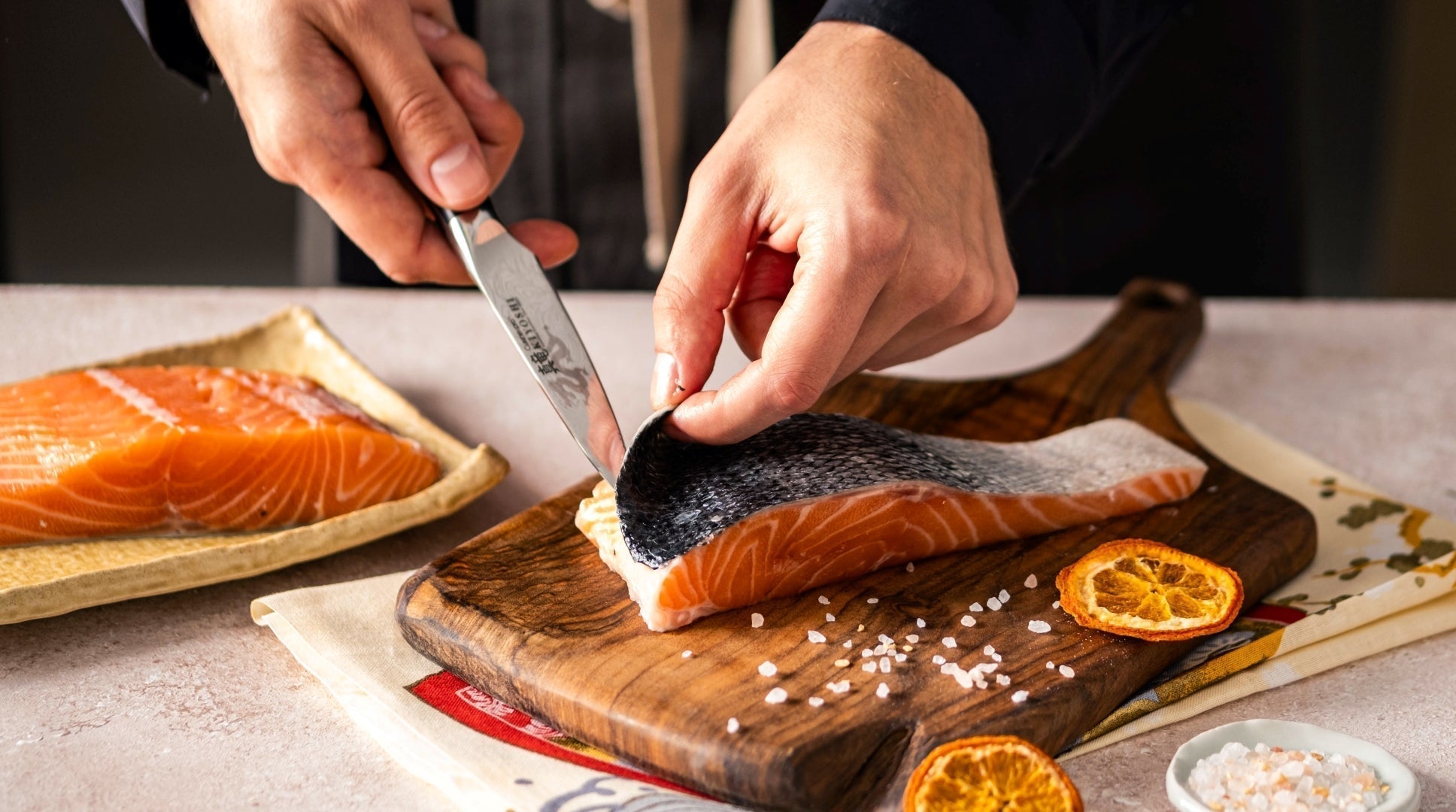
Handle types and ergonomics in this chef knife buying guide
A handle that fits you reduces aches and improves control. Consider materials and shapes.
- Wood handles
- Warm and classic feel. May need care to avoid swelling or cracking.
- Composite or pakkawood
- Stable and retains the look of wood with less maintenance.
- Polypropylene or polymer
– Durable, easy to clean, affordable. - Full tang vs partial tang
- Full tang adds strength and balance. Partial tang can be lighter and cheaper.
Try holding a knife before buying. Grip size, finger guard, and texture matter.
Edge retention, sharpening, and maintenance tips
Buying a knife includes planning for care. Edge care keeps a blade useful for years.
- Honing vs sharpening
- Hone weekly to realign the edge. Sharpen on a stone when the edge dulls.
- Sharpening tools
- Whetstones give control and great results. Guided systems help beginners.
- Frequency
- Home cooks often sharpen every few months and hone often. Professional kitchens need more frequent sharpening.
- Rust prevention
- Dry knives after use. Oil carbon steel lightly to prevent rust.
A small investment in sharpening skills pays off. This chef knife buying guide encourages learning a basic stone technique.

Size and style choices covered by this chef knife buying guide
Pick a size and style that match how you cook.
- 6-inch chef knife
- Good for small kitchens and precise work.
- 8-inch chef knife
- The most versatile, fits most cooks.
- 10-inch chef knife
- Great for large prep and volume work.
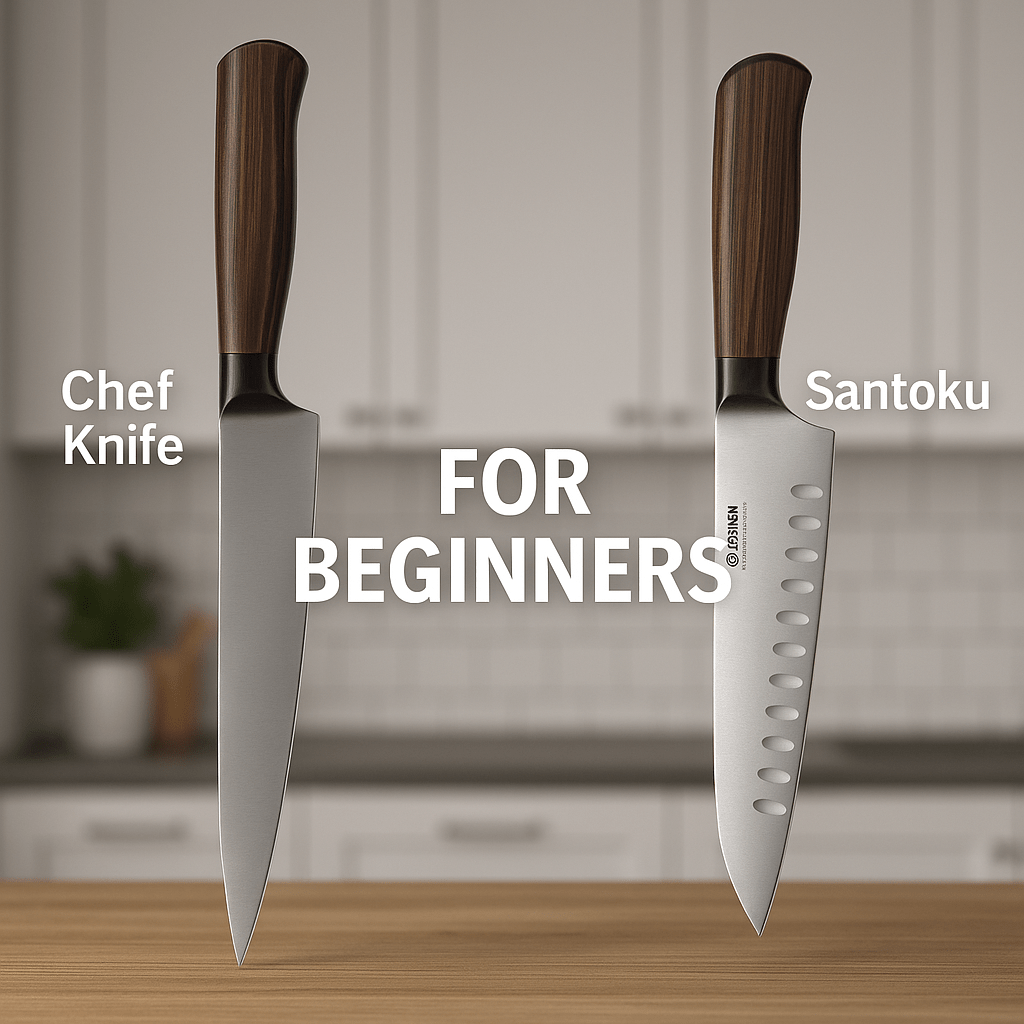
- Santoku and French chef knives
- Santoku often has a flatter profile and is suited to slicing and dicing. French chef knives have more curve for rocking.
Try both rocking and push-cut techniques. Your knife choice should fit your usual cuts and cutting board size.
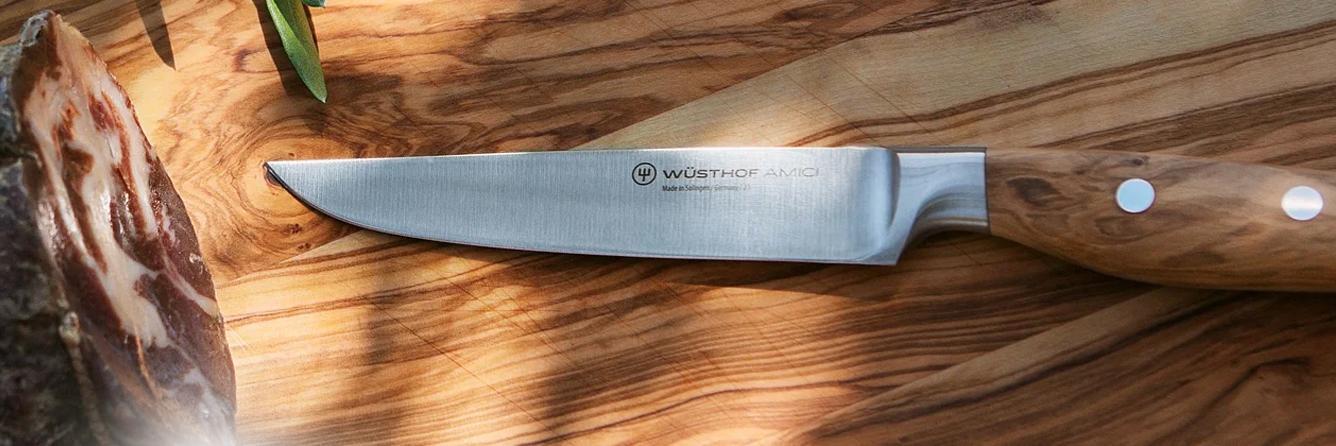
Price, value, and where to buy in this chef knife buying guide
A higher price does not always mean better fit. Know what you are paying for.
- Budget range: $30–$80
- Entry-level stamped knives or basic forged models.
- Mid-range: $80–$200
- Good forged knives with quality steel and better balance.
- Premium: $200+
- High-end alloys, hand-finished, and long warranties.
Buy from reputable sellers with return policies. If possible, hold the knife in hand. Warranties, sharpening services, and local knife shops add value.

My personal experience and mistakes to avoid when following a chef knife buying guide
I tested dozens of knives across home and pro kitchens. Here are real lessons I learned.
- Mistake: choosing by looks alone. A gorgeous knife can feel wrong in hand.
- Mistake: buying too hard a steel without learning to sharpen it.
- Tip: try an 8-inch first. It fit most tasks for me and for many cooks I coached.
- Tip: invest in a whetstone and learn a basic two-step sharpening method. It raised my knives’ performance more than buying a slightly pricier knife.
These practical tips can save money and deliver a knife you enjoy.
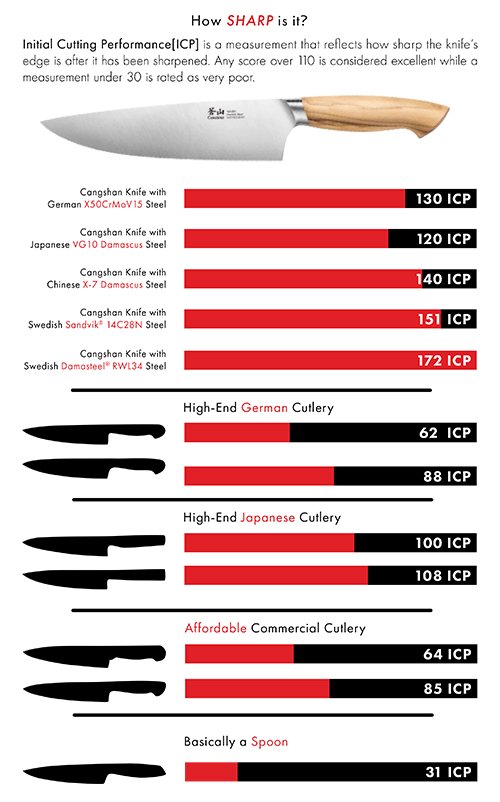
Quick buying checklist: use this chef knife buying guide at the store
Follow this short list before you buy.
- Test balance
- Hold the knife and check the balance at the handle.
- Check weight
- Make sure the weight feels right for your cooking style.
- Inspect the spine and edge
- Look for uniform grind and a smooth spine for comfort.
- Confirm handle comfort
- Grip it the way you cook for at least 20 seconds.
- Ask about warranty and sharpening service
- Know return, repair, and sharpening options.
This checklist helps you make a confident pick.
Frequently Asked Questions of chef knife buying guide
What is the best size for a chef knife?
An 8-inch chef knife suits most cooks and tasks. It balances control and cutting area well.
How often should I sharpen my chef knife?
Sharpening needs vary, but most home cooks sharpen every few months. Hone the knife weekly to keep the edge aligned.
Is forged better than stamped for a chef knife?
Forged knives often offer better balance and a fuller feel, but quality stamped knives can perform well. Choose by feel and budget rather than the label alone.
Can carbon steel be used daily?
Yes, carbon steel can be used daily but needs more care. Dry and oil it after use to prevent rust.
Do I need special stones to sharpen a chef knife?
Whetstones give the best control and results, but guided systems or professional sharpening also work. Start with a medium grit stone and learn a basic technique.
Conclusion
A smart chef knife buying guide will help you choose a blade that fits your hands, your food, and your care habits. Focus on steel, balance, and maintenance needs. Test knives in hand, learn basic sharpening, and pick a size you will use often. Take action now: try an 8-inch chef knife in a store or order from a seller with a fair return policy, then commit to learning to hone and sharpen. Share your choice or questions below, or subscribe to learn more about knife care and techniques.
Maliha Khatun has spent 5 years hands-on testing Japanese knives for everyday home cooks. She has evaluated over 60 blades across nakiri, santoku, gyuto, and petty categories — scoring each on edge retention, steel quality, handle comfort, and value for money. She writes to help home cooks buy the right knife without the guesswork.
Expertise:Japanese Knives • Vegetable Knives • Product Reviews • Kitchen Efficiency • Knife Care
Leave a Reply