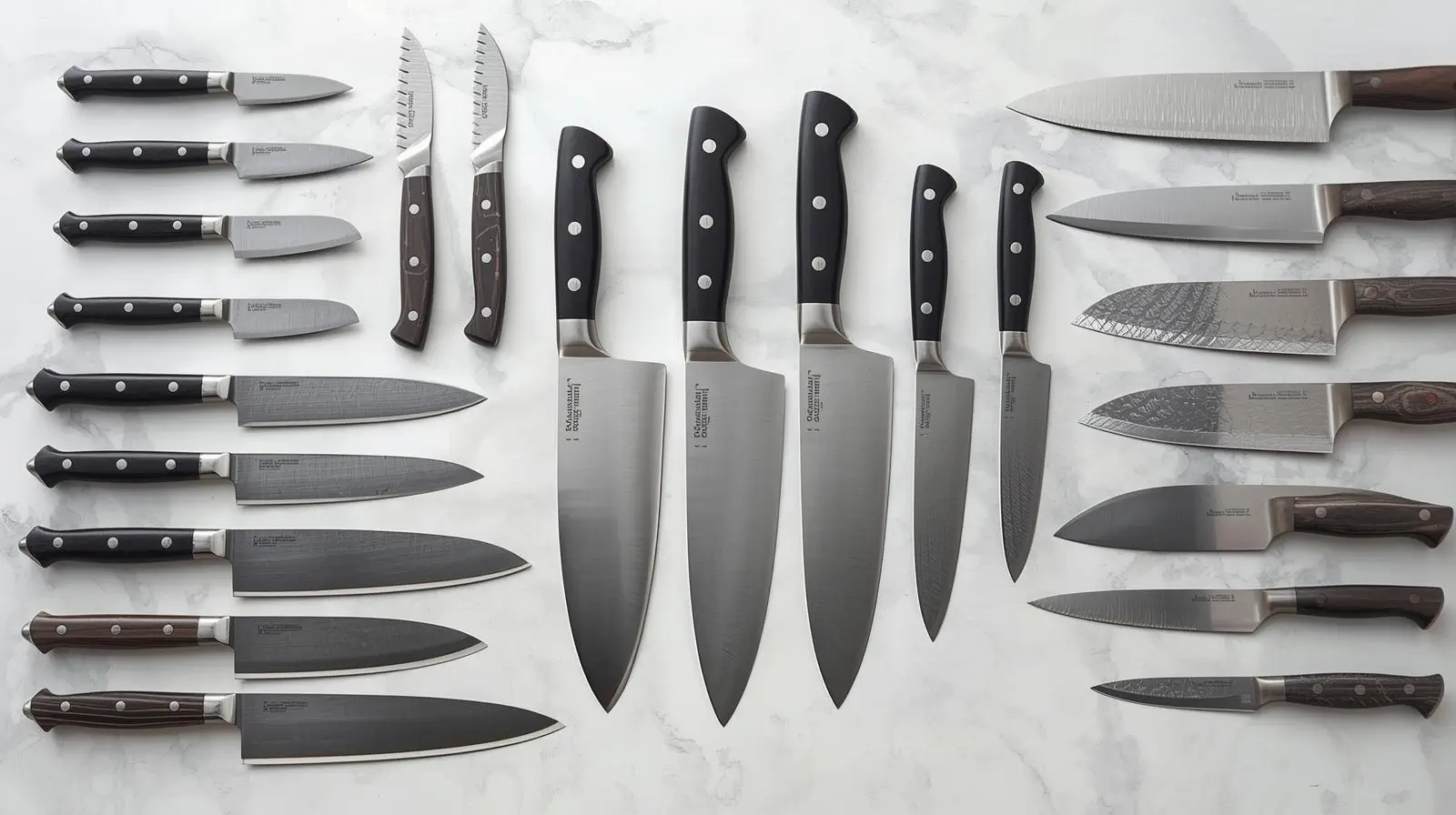
If you have small hands, look for a kitchen knife with a shorter blade, a slim handle, and a weight that feels balanced near the bolster. A 6-inch chef’s knife, a 165 mm santoku or bunka, or a 120–150 mm petty knife is usually easier to control than a standard 8-inch chef’s knife.
Most chef’s knives are designed around an average hand. If yours is smaller, a large handle and long blade can make the knife feel clumsy and tiring. This guide covers what to look for in blade length, handle shape, weight, and balance, which knife styles tend to suit small hands, and how to test fit before you buy.
Why knife fit matters for small hands
A knife that is too big for your hand is harder to control. You may grip further back on the handle, which moves your hand away from the knife’s balance point and makes the tip feel heavy. A handle that is too thick makes a secure pinch grip hard and tires the hand faster. A better-fitting knife is more comfortable and safer to use.
What to look for in a knife for small hands
Blade length
Shorter blades are easier to control. For an all-purpose knife, many people with small hands are comfortable with:
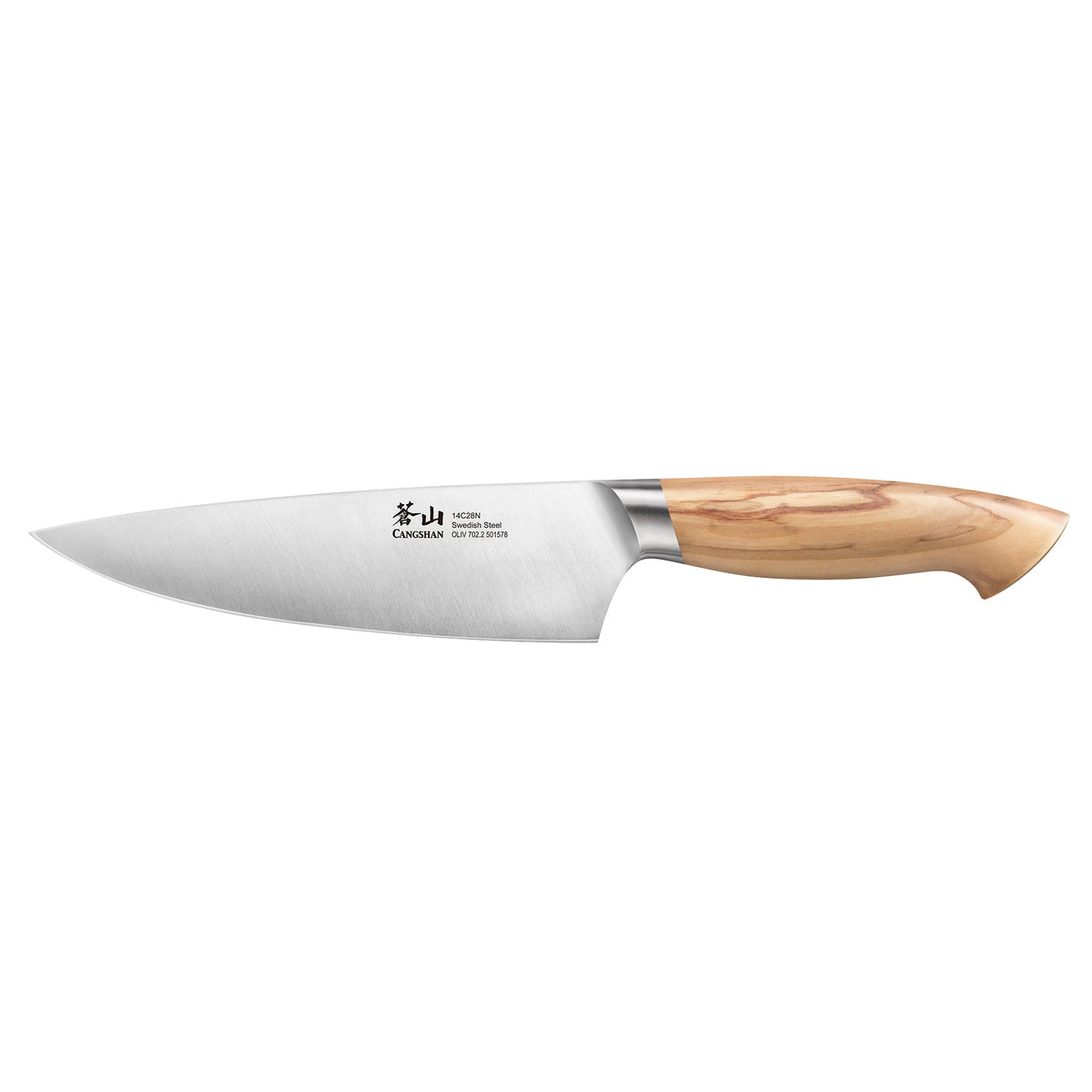
- Chef’s knife or gyuto: 6 inches (about 150–180 mm) instead of the standard 8 inches (210 mm).
- Santoku or bunka: Around 165 mm. These are already compact all-rounders.
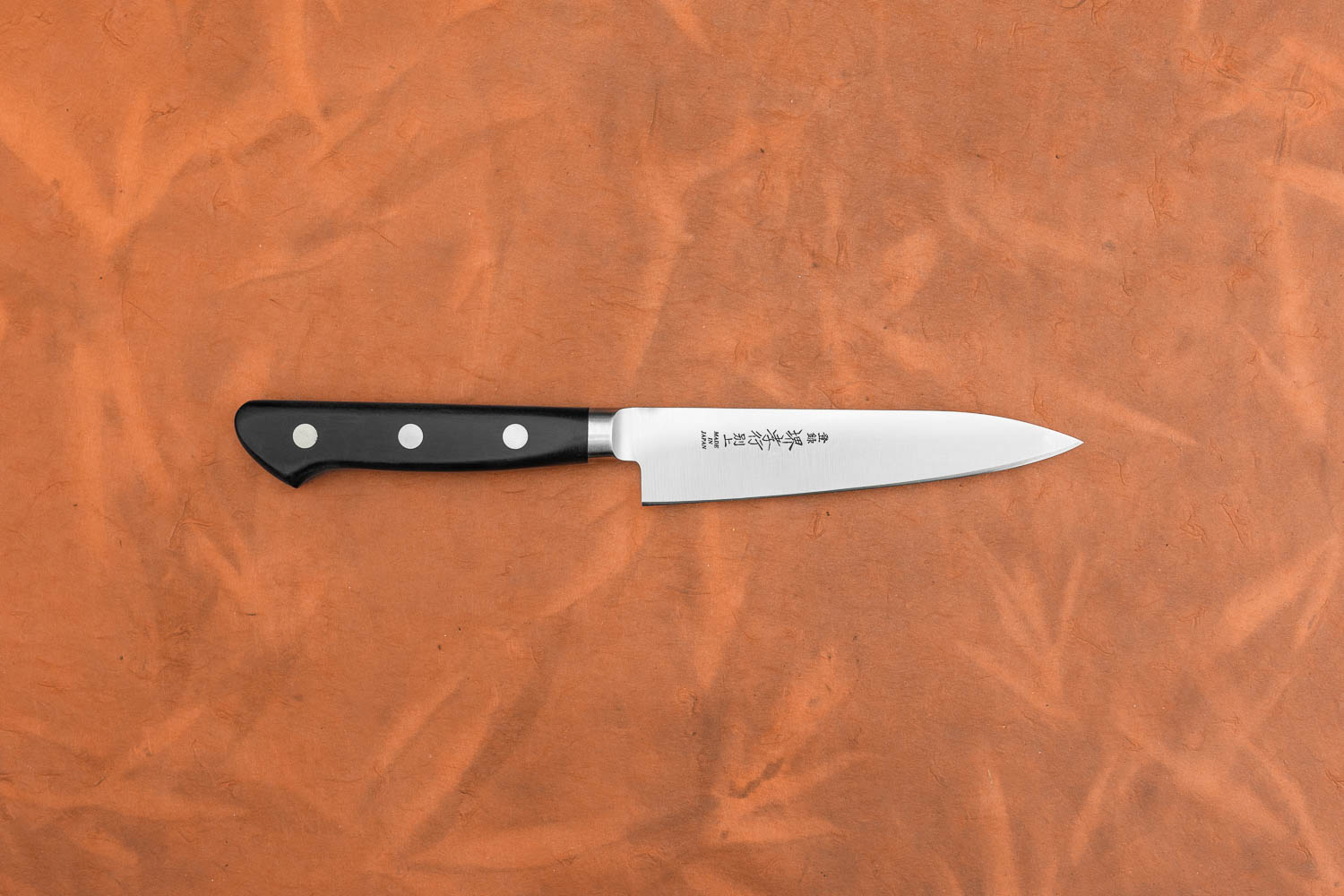
- Petty or utility knife: 120–150 mm for smaller tasks and detail work.
- Paring knife: Around 3–4 inches for peeling and in-hand work.
Handle size and shape
- Slim profile: Your fingers should wrap around the handle comfortably without a big gap or strain.
- Japanese “wa” handles: Octagonal and D-shaped wooden handles are often slimmer and lighter than Western handles.
- Smooth transitions: A rounded spine and a comfortable area where the blade meets the handle make the pinch grip easier.
- No oversized bolster: A full bolster that extends to the heel can block your fingers. A half bolster or none is easier to pinch.
Weight and balance
Lighter knives are easier to control for long prep sessions. Japanese-style knives are often lighter than heavy German-style knives of the same length. Balance matters as much as weight: a knife that balances near the bolster feels steady in a pinch grip, while a blade-heavy knife pulls the tip down.
Blade height
A taller blade, like on a santoku, bunka, or nakiri, gives your knuckles clearance above the board and room for a guide-hand claw grip. Small hands do not need a short blade height; a tall blade on a short knife can be a very comfortable combination.

Knife styles that suit small hands
- Santoku: Compact, light, and tall, with a flat edge suited to push cuts. A good main knife for small hands.
- Bunka: Similar size to a santoku with a pointed tip for detail work.
- Short gyuto or chef’s knife: If you like the rocking motion of a chef’s knife, try a 6-inch or 180 mm version.
- Petty knife: A versatile second knife for fruit, small vegetables, and trimming. See our petty knife guide.
- Nakiri: Short, tall, and light, built for vegetables.

Grip technique matters too
The right grip can make a slightly large knife feel more manageable. A pinch grip, with your thumb and index finger on the blade just in front of the handle, puts your hand at the balance point. Pair it with a claw grip on the hand holding the food to keep your fingertips safe.
How to test a knife before you buy
- Hold it in a pinch grip. Your thumb and index finger should reach the blade comfortably without stretching.
- Check the wrap. Your remaining fingers should close around the handle without strain.
- Find the balance point. Balance the knife on one finger. A point near the bolster usually feels most controllable.
- Do a few cutting motions. If a store allows it, mimic slicing and rocking motions and notice whether the tip feels heavy.
- Check the return policy. When buying online, make sure you can return the knife if it does not fit your hand.
Common mistakes to avoid
- Buying the standard size by default: An 8-inch chef’s knife is a common recommendation, not a requirement.
- Choosing by looks or brand alone: Fit and balance matter more for daily use.
- Going too heavy: A heavy knife can feel solid in the store but tiring after a long prep session.
- Letting the knife go dull: A dull edge needs more force, which is harder to control. See how often to sharpen knives.
Frequently asked questions
What size chef’s knife is best for small hands?
Many people with small hands find a 6-inch (about 150–180 mm) chef’s knife or a 165 mm santoku easier to control than an 8-inch chef’s knife. Try a few lengths if you can.
Are Japanese knives good for small hands?
Often, yes. Japanese knives tend to be lighter, and many have slim wooden handles. Compact styles like the santoku, bunka, and petty are especially popular.
Is a lighter knife always better for small hands?
Not always. Balance and handle shape matter as much as weight. A light knife that is blade-heavy can feel worse than a slightly heavier knife that balances near the bolster.
Can I use a paring knife instead of a chef’s knife?
A paring knife is great for small tasks, but it is too short for efficient chopping on a board. A petty knife or santoku is a better main knife.
Does handle material matter?
Shape matters more than material. Choose a slim handle with a grip you find secure, whether it is wood, composite, or another material.
Conclusion
The best knife for small hands is one that fits: a shorter blade, a slim handle, a comfortable bolster area, and good balance. Compact Japanese styles like the santoku, bunka, and petty knife are great places to start. Hold a few knives in a pinch grip before you buy, and choose the one that feels steady and comfortable. For help choosing, see our gyuto vs chef knife comparison.
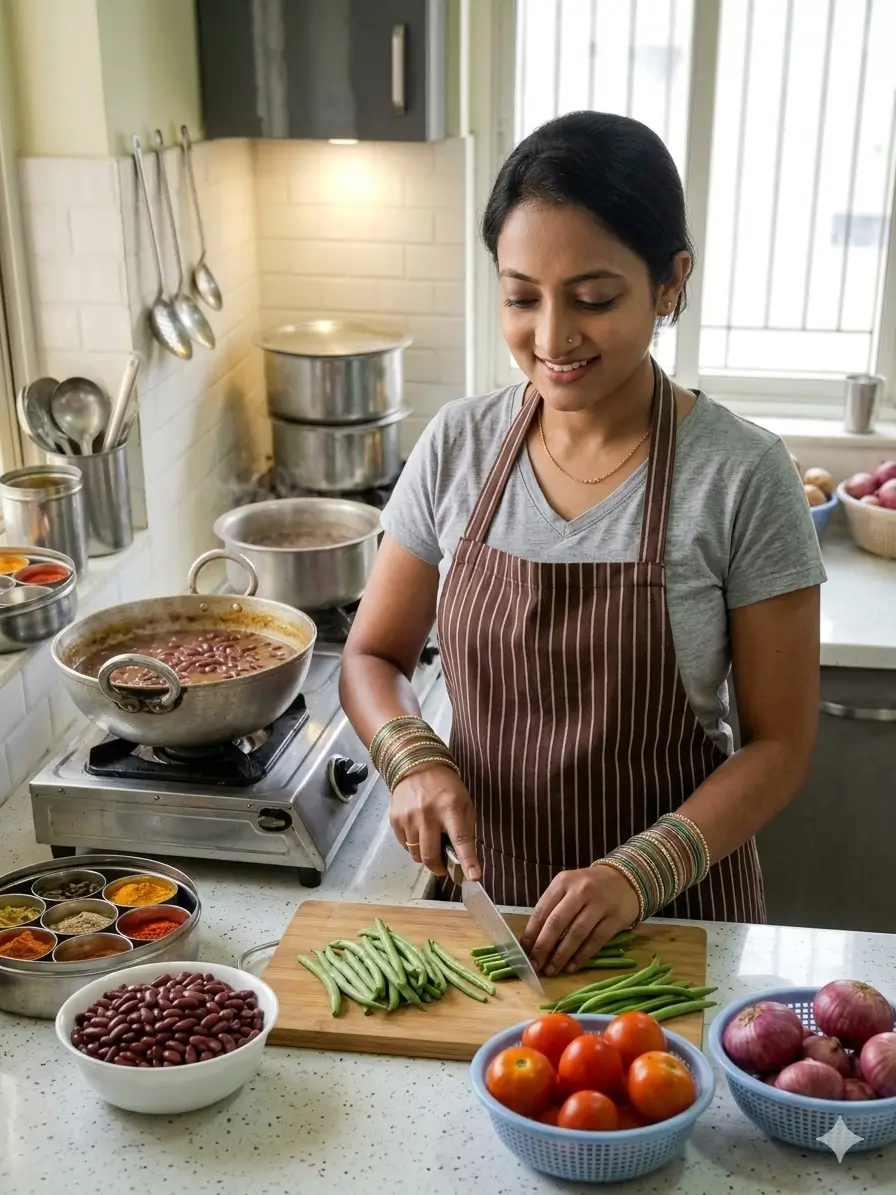
Maliha Khatun has spent 5 years hands-on testing Japanese knives for everyday home cooks. She has evaluated over 60 blades across nakiri, santoku, gyuto, and petty categories — scoring each on edge retention, steel quality, handle comfort, and value for money. She writes to help home cooks buy the right knife without the guesswork.
Expertise:Japanese Knives • Vegetable Knives • Product Reviews • Kitchen Efficiency • Knife Care
Leave a Reply