
KnifeScope is reader-supported. When you buy through links on this page, we may earn a small commission at no extra cost to you.
A light knife can make a surprising difference during long prep sessions. Less weight means less strain on your wrist and fingers, and many cooks find light blades easier to control.
Bunkas are already compact, but weights still vary a lot. This list focuses on bunka knives that stay light without feeling flimsy.
Our picks are based on manufacturer specifications, materials and long-term buyer feedback.

TOP PICK
Lightweight vs Standard Weight: What Changes
A lighter knife feels agile and reduces fatigue, but weight also affects how it cuts. With a lightweight bunka knives:
- Lighter blades are quicker and less tiring for long prep sessions.
- Heavier blades use their own weight on dense foods like squash.
- A well-balanced light knife can feel better than a poorly balanced heavy one.
- Choose by the foods you cut most, not by weight alone.
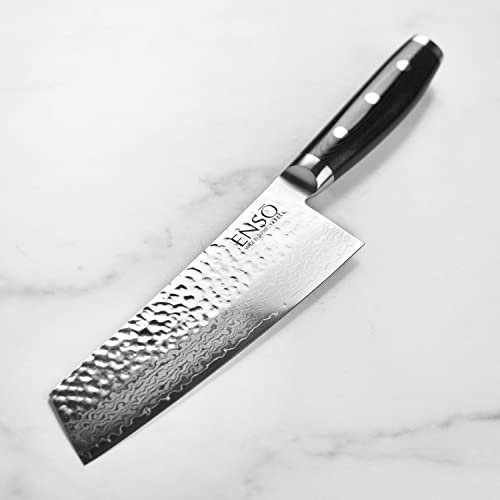
Enso HD 7″ Bunka Knife…
Crafted of premium Japanese VG10 37-layer stainless steel for excellent edge retention; features a stunning hammered (tsuchime) finish Rockwell Hardness 61°; blades are hand-ground to approximately 12° Double-bevel edge for…

BEST QUALITY
Misen 6-Inch Bunka Knife –…
Rust-Proof ACUTO440 Steel – Forged from Japanese high-carbon stainless steel with high chromium content, tested to resist rust even up to 50 dishwasher cycles. Straight Belly Design for Fast Chopping…
RECOMMENDED
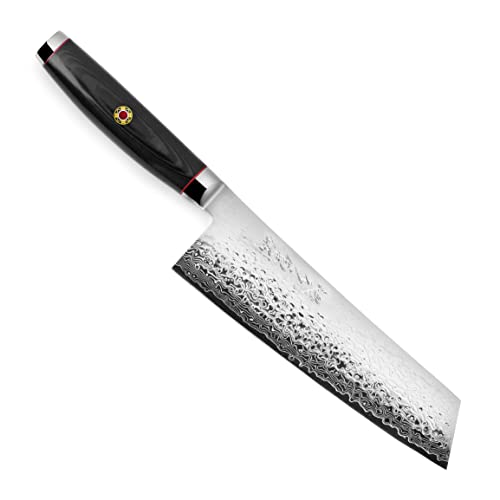
Enso SG2 Bunka Knife -…
Constructed of Japanese SG2 Micro Carbide powder stainless steel, Japanese kanji is hand engraved on the blade; 63 Rockwell Hardness 101 layer stainless steel Damascus construction with SG2 steel core;…
Enso HD 7″ Bunka
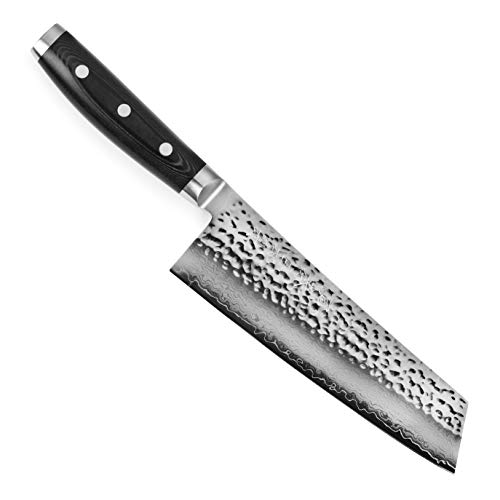
I bought the Enso HD 7″ Bunka to test the classic bunka profile in a lightweight build. The blade uses VG10 core stainless with a hammered Damascus finish. The balance felt quick in my hand and the tip made small chops and decorative cuts easy.
The handle is light and lets the blade do the work. Edge retention was solid for home tasks, and the Damascus finish helps food release. I found it fast for herbs, onions, and thin slicing of fish and poultry.
Pros:
- Excellent balance for quick prep
- VG10 core holds a sharp edge well
- Hammered finish reduces drag
- Pointed tip improves fine work
- Made in Japan craftsmanship and feel
Cons:
- Damascus finish needs gentle care to avoid dulling abrasive scrubbing
- Slightly pricier than entry-level bunka knives
My Recommendation
I recommend the Enso HD 7″ Bunka for cooks who want a lightweight bunka knife with a classic VG10 edge and elegant finish. If you do a lot of fine prep, the pointed tip and quick balance will speed your work. I found it best when I wanted precision without the weight of a chef’s knife.
| Best for | Why |
|---|---|
| Herb and garnish prep | Light blade and sharp point for detail cuts |
| Everyday slicing | VG10 edge keeps sharpness for regular home use |
| Presentation work | Damascus finish lifts the look while improving food release |
Misen 6″ Bunka (Blue)

I reached for the Misen 6″ Bunka when I needed a compact, lightweight option. It uses AICHI ACUTO440 high-carbon stainless steel. The triangular tip is aggressive and cuts through root veg and small meat cleanly.
The handle is ergonomic and light. The knife felt like an Extension of my hand during long prep sessions. It is a versatile tool for kitchens short on storage or for cooks who want nimble control.
Pros:
- Compact 6″ blade for tight tasks
- High-carbon stainless for good edge and corrosion resistance
- Comfortable ergonomic handle for long use
- Lightweight for reduced wrist fatigue
- Well-priced relative to performance
Cons:
- Shorter blade limits long slices
- Not as decorative as premium Damascus blades
My Recommendation
I recommend the Misen 6″ Bunka for city cooks and anyone who values a lightweight bunka knife for quick, precise tasks. It is great for small kitchens and for cooks who prefer a shorter blade for control. I used it for weekday meal prep and appreciated the nimble handling.
| Best for | Why |
|---|---|
| Small kitchens | Compact size and easy storage |
| Quick weekday prep | Lightweight, fast to maneuver |
| New knife buyers | Good value with solid steel |
Enso SG2 7″ Bunka

The Enso SG2 7″ Bunka is a premium lightweight bunka knife. It uses SG2 powdered stainless steel core with 101-layer Damascus cladding. The edge came razor-sharp and stayed keen through my tests.
Because the blade is thin and light, I cut paper-thin slices easily. The tip is precise for trimming and decorative cuts. I recommend care with a proper honing rod to maintain the high-hardness edge.
Pros:
- SG2 core for outstanding edge retention
- Thin, lightweight blade enables ultra-thin slicing
- Beautiful 101-layer Damascus cladding
- Made in Japan quality standards
- Excellent for fish and precision work
Cons:
- Higher hardness requires careful sharpening technique
- More fragile to lateral knocks than softer steels
My Recommendation
I recommend the Enso SG2 7″ Bunka to serious home cooks who want a high-performance, lightweight bunka knife. If you do a lot of precision slicing—sashimi, fine veg, or plating—this blade shines. I find it worth the extra care because of its long-lasting sharpness.
| Best for | Why |
|---|---|
| Precision slicing | Thin blade and high-hardness steel |
| Advanced home cooks | Demands careful maintenance for best results |
| Presentation tasks | Clean cuts for attractive plating |
Misen 6″ Bunka (Black)
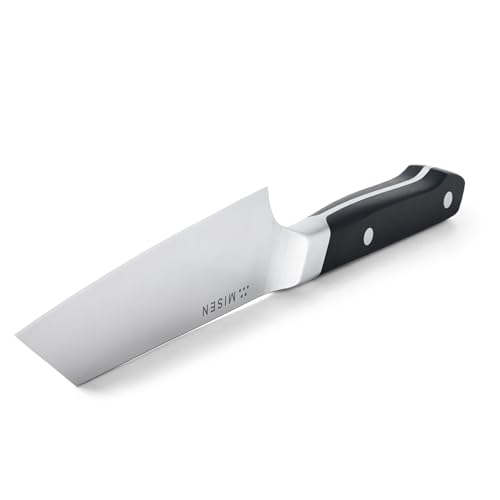
This black Misen 6″ Bunka mirrors the blue version in steel and feel but has a stealth look. I found the finish resists staining and the handle grip suits longer sessions. The triangular tip is efficient for trimming sinew or peeling skin from fish.
I like this model when I want a no-fuss, lightweight bunka knife that looks modern. It is easy to sharpen and quick on the board. For weekend cooks, it offers a reliable, compact option.
Pros:
- Sleek black finish hides wear
- Same comfortable ergonomic handle as other Misen models
- Good corrosion resistance and hardness balance
- Compact and light for fast prep
- Simple to maintain and sharpen
Cons:
- Short blade limits large roasts
- Finish may show scratches over time
My Recommendation
I recommend the Misen 6″ Bunka (Black) for cooks who want a low-profile, lightweight bunka knife for daily tasks. It’s great for tight counters, fast prep, and anyone who values a clean, modern look. I found it to be a dependable daily driver.
| Best for | Why |
|---|---|
| Everyday cooks | Easy care and reliable performance |
| Compact kitchens | Short blade fits smaller boards |
| Stylish shoppers | Sleek finish for modern kitchens |
Yoshidahamono Aogami 190mm

The Yoshidahamono Aogami uses Aogami #2 blue steel hardened to HRC 66–67. I noticed the edge response was immediate and the thin profile felt featherweight. The zelkova wood handle gives a traditional Japanese feel and a secure grip.
This knife favors cooks who like to sharpen frequently and keep a mirror edge. The hardness gives exceptional edge retention, but I avoid twisting cuts that risk chipping. For precision work it’s one of the sharpest lightweight bunka knives I tested.
Pros:
- Aogami #2 steel for superb sharpness
- Thin, nimble blade for delicate prep
- Traditional wooden handle with good grip
- Made in Japan attention to detail
- Great on vegetables and fine slicing
Cons:
- Requires more care to prevent rust
- High hardness increases chipping risk on abuse
My Recommendation
I recommend the Yoshidahamono Aogami 190mm for cooks who prioritize razor performance in a lightweight bunka knife and who are comfortable with regular sharpening. It’s ideal for precision slicing and fine prep. I keep mine for delicate vegetable and fish work.
| Best for | Why |
|---|---|
| Sharpness enthusiasts | Blue steel gives a superior edge |
| Traditionalists | Classic wooden handle and Japanese feel |
| Fine slicing | Thin profile for neat, thin cuts |
MIYABI Kaizen II 6.5″

The MIYABI Kaizen II 6.5″ is a striking lightweight bunka knife with refined fit and finish. It blends modern materials with precise geometry. I noticed immediate thin-slicing ability and very pleasant handling from the first use.
The blade is light and lively. The edge is easy to maintain with a ceramic rod for quick touch-ups. I used it for delicate fish work and for clean tombo-like veggie cuts, and it performed consistently.
Pros:
- Refined balance and finish
- Thin geometry for superb slicing
- Lightweight for reduced fatigue
- Easy to hone for daily maintenance
- Strong fit and handle ergonomics
Cons:
- Price reflects high-quality components
- Not intended for heavy bone work
My Recommendation
I recommend the MIYABI Kaizen II 6.5″ for cooks who want a premium, lightweight bunka knife that feels refined and performs with consistency. If you value balance and thin slicing, this knife delivers. I keep it handy for plating and delicate prep.
| Best for | Why |
|---|---|
| Fine dining home cooks | Precision and beautiful finish |
| Lightweight lovers | Low weight and lively feel |
| Frequent honers | Hones easily for daily touch-ups |
MIYABI Mizu SG2 6.5″

The MIYABI Mizu SG2 6.5″ uses SG2 core with a classic Mizu aesthetic. I found the blade to be very thin and extremely precise. The light weight makes repeated tasks feel effortless and quick.
I used this model for sashimi-style slices and thin veg ribbons. The edge held well and the finish helps food release. I recommend careful handling given the high-hardness core.
Pros:
- SG2 edge persistence for longer use between sharpenings
- Very thin geometry for razor slicing
- Elegant Mizu finish improves glide
- Lightweight for repeated use
- Great fit for precision plating
Cons:
- Edge care is required to avoid chipping
- Higher cost than entry-level alternatives
My Recommendation
I recommend the MIYABI Mizu SG2 6.5″ for cooks focused on ultra-precise slicing and a lightweight bunka knife that balances speed and beauty. I used it when I needed flawless presentation and thin, even cuts. It rewards careful maintenance.
| Best for | Why |
|---|---|
| Sushi and sashimi prep | Thin edge for near-paper cuts |
| Fine presentation | Consistent, clean slices |
| Experienced hobbyists | Requires attentive care for best use |
Spyderco Minarai Bunka

Spyderco’s Minarai Bunka is an innovative take on the bunka profile. It uses CTS BD1N super blue stainless steel and a comfortable polypropylene handle. The blade is just under 8″ and is still light enough for fast prep.
I found its balance slightly forward but not heavy. The steel gives great edge retention and a quick re-sharpen when needed. The larger length makes it versatile while the weight stays manageable for long use.
Pros:
- Longer edge for versatile slicing
- Super blue stainless steel holds edge well
- Ergonomic polymer handle for wet use
- Light for extended prep sessions
- Unique Spyderco engineering and fit
Cons:
- Longer blade may be overkill for small kitchens
- Price reflects premium materials
My Recommendation
I recommend the Spyderco Minarai Bunka for cooks who want a longer edge in a lightweight bunka knife and who appreciate modern materials. If you prep larger items and still want nimble handling, this is a great balance. I use it when I need length without heaviness.
| Best for | Why |
|---|---|
| Large meal prep | Extended cutting edge for bigger tasks |
| Wet kitchens | Durable polypropylene handle |
| Performance seekers | High-end steel for long edges |
Dimoedge 7″ Damascus
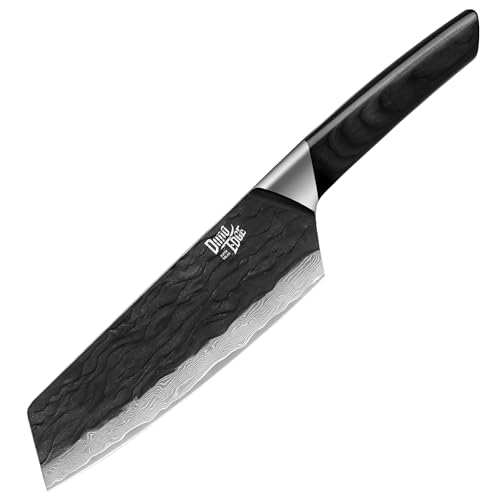
The dimoedge 7″ Damascus bunka blends a hammered black-oxide finish with a pakkawood handle. It has a dramatic look and a lively, lightweight feel. I enjoyed how the hammered surface reduced food sticking during long slicing runs.
The blade performed well for vegetables and poultry. The handle feels warm and comfortable in hand. I recommend occasional oiling of the pakkawood to keep it looking its best.
Pros:
- Striking aesthetics with hammered black oxide
- Pakkawood handle for classic feel
- Lightweight for extended use
- Good food release from the hammered finish
- Balanced for precise cuts
Cons:
- Pakkawood requires care to avoid water damage
- Black oxide may wear with heavy scrubbing
My Recommendation
I recommend the dimoedge 7″ Damascus bunka for cooks who want a lightweight bunka knife with strong visual appeal. It’s great for hosts and those who value looks as much as function. I use it when I want a dependable blade that also looks great on the board.
| Best for | Why |
|---|---|
| Entertaining cooks | Striking appearance for serving and prep |
| Vegetable prep | Hammered finish reduces sticking |
| Gift buyers | Attractive presentation and solid feel |
DRGSKL 7″ Japanese-style Knife

The DRGSKL 7″ model blends santoku, bunka, and kiritsuke cues into a versatile blade. It is full tang with a solid handle and stays surprisingly light. I found it flexible enough for meat trimming, veg prep, and thin slicing.
The blade edge held well for home use and the grind made push and pull cuts smooth. For cooks wanting a single tool to cover many tasks, this lightweight bunka-style knife is a practical pick.
Pros:
- Versatile profile for many tasks
- Full tang adds durability without much weight
- Comfortable handle for extended cutting
- Good balance of price and performance
- Lightweight to reduce fatigue
Cons:
- Not a dedicated specialty blade for extreme tasks
- Finish may require regular care to keep it pristine
My Recommendation
I recommend the DRGSKL 7″ as a practical lightweight bunka knife for cooks who want one blade to do many jobs. It suits families that prepare mixed meals and need a reliable all-rounder. I use it on busy nights when speed and versatility matter most.
| Best for | Why |
|---|---|
| All-round home use | Combines multiple blade styles effectively |
| Budget-conscious buyers | Good performance at a fair price |
| Meal prep | Handles varied tasks without strain |
Why weight matters
- Under 150 g: very light, nimble, great for long vegetable prep.
- 150 to 200 g: balanced, the range most home cooks like.
- Over 200 g: heavier, more momentum for dense food.
Wa (Japanese-style) handles are usually lighter than Western handles and move the balance toward the blade.
FAQs Of lightweight bunka knife
What makes a bunka knife different from a santoku?
A bunka knife has a triangular, pointed tip and a slightly taller blade. It blends petty and santoku roles and excels at fine work and angled cuts. I use a bunka for detailed tasks a santoku can’t reach.
Are lightweight bunka knives durable?
Yes, when made from quality steel. Lightweight often refers to slimmer geometry, not weak construction. I advise avoiding heavy bone work and Using cutting boards that protect the edge for long life.
How should I care for a high-hardness bunka blade?
Keep it dry, hone daily with a ceramic rod, and sharpen on a whetstone when needed. I oil carbon steels lightly after cleaning. Avoid dishwashers and rough scrubbing to protect the edge and finish.
Can I use a lightweight bunka knife for meat?
Yes for trimming and slicing boneless meat. I would not use it to chop through bones. For boning and slicing, a lightweight bunka knife offers speed and control, especially for thin cuts.
Which steels are best for a lightweight bunka knife?
SG2, VG10, Aogami, and modern powdered steels are excellent. They offer sharpness and edge retention. I choose steel based on how much maintenance I want to do and how delicate the work will be.
Final verdict
If you have hand fatigue or prep lots of vegetables, a lightweight bunka with a wa handle is a great choice. Check the weight in grams on the listing; it tells you more than the photos do.
Maliha Khatun has spent 5 years hands-on testing Japanese knives for everyday home cooks. She has evaluated over 60 blades across nakiri, santoku, gyuto, and petty categories — scoring each on edge retention, steel quality, handle comfort, and value for money. She writes to help home cooks buy the right knife without the guesswork.
Expertise:Japanese Knives • Vegetable Knives • Product Reviews • Kitchen Efficiency • Knife Care