
KnifeScope is reader-supported. When you buy through links on this page, we may earn a small commission at no extra cost to you.
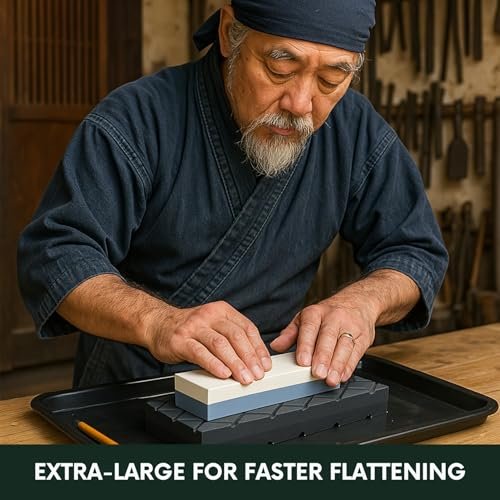
Every whetstone wears unevenly. After a few sessions the middle dips into a shallow bowl, and that curve transfers straight onto your knife edge. A flattening stone fixes it in a couple of minutes.
Here is how to tell when a stone needs flattening, the easiest way to do it, and the flatteners worth buying.
Our picks are based on manufacturer specifications, materials and long-term buyer feedback.
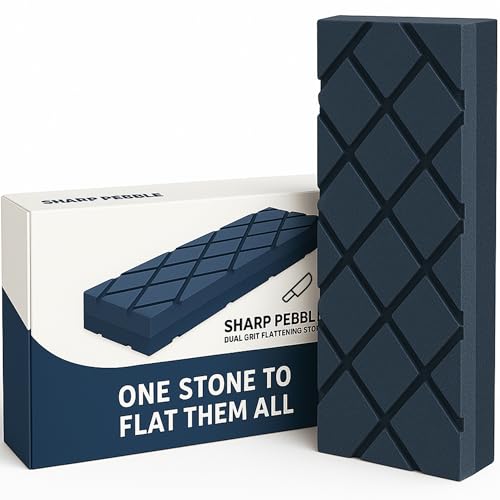
Sharp Pebble Large Flattening Stone-…
Double Side Flattening Stone: This innovative Flattening Stone is different from any other flattening stone in the market. It is a two-sided, dual grit, diamond grid flattening system designed to…
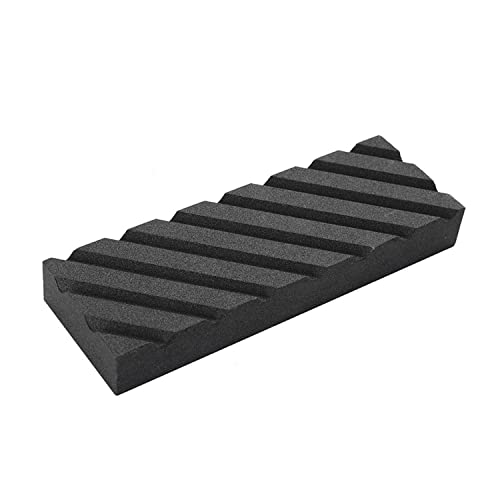
WOCHOLL Flattening Stone with Grooves…
Designed to Keep Your SHARPENING STONE in Optimal Condition! High-quality materials make it cut faster, wear more slowly, and are durable. This makes it the preferred choice for flattening QUALITY…

Naniwa Straightening Stone IO-1142 Grit…
Naniwa #220 IO 1142 Japanese Whetstone
Check Price on Amazon →Sharp Pebble Large Flattener

I keep a Sharp Pebble large flattening stone on my bench. It has coarse and fine faces. The dual grit lets me remove hollows fast. It also finishes the surface so my whetstone flattening stone works like new.
The diamond grooves guide grit and help clear slurry. I use it on waterstones and oil stones. It feels sturdy in my hand. The size is big enough to cover most stones in one pass.
Pros:
- Large surface covers stones quickly for fast flattening
- Dual grit matches heavy and light levelling needs
- Diamond grooves reduce clogging when working wet stones
- Stiff backing gives even pressure and consistent results
- Durable, I’ve used mine for months with little wear
- Works with both waterstones and oil stones
Cons:
- Heavier than small flatteners, less portable
- Coarse side can be aggressive if overused
- Edge can be sharp, careful handling needed
My Recommendation
If you sharpen frequently, this Sharp Pebble model is a top pick. I recommend it for cooks and hobbyists who need a reliable whetstone flattening stone that handles heavy wear. The dual grit makes it flexible for quick repairs or thorough resurfacing. It delivers strong value and is easy to find online.
| Best for | Why |
|---|---|
| Frequent sharpeners | Large area saves time |
| Mixed stone types | Works on water and oil stones |
| Budget-conscious users | Great durability for cost |
WOCHOLL Flattener with Grooves

The WOCHOLL flattening stone is compact and precise. It has grit grooves that help slice through slurry. I used it to re-level a small waterstone and it removed the crown quickly. The shape fits my palm well.
I liked how the grooves keep the surface clean. This makes the whetstone flattening stone act efficiently. It’s light enough to carry to classes or trips. The size limits it on very large stones but it excels at Targeted flattening.
Pros:
- Compact and easy to handle for precise work
- Grooves manage slurry and speed flattening
- Good balance between removal rate and control
- Light and portable for travel or classes
- Fits smaller stones and tight spots well
Cons:
- Small size means more passes on large stones
- Not the fastest on very uneven surfaces
My Recommendation
I recommend the WOCHOLL for home cooks and students. If you own a few small waterstones, this whetstone flattening stone gives fine control. It’s an excellent travel or backup flattener. The grooves help keep the job tidy and fast.
| Best for | Why |
|---|---|
| Precision work | Small size for tight control |
| Travel | Compact and light to carry |
| Students | Easy to learn with |
Naniwa Straightening Stone 220
Naniwa makes quality products and their straightening stone shows it. The 220 grit is coarse. It removes damage and reshapes badly worn stones. I used it when a stone developed deep hollows and it quickly evened the surface.
The coarse face is aggressive. That means fast stock removal. Use measured passes and check progress often. This whetstone flattening stone is ideal for restoration rather than light maintenance.
Pros:
- Very effective at removing severe hollows
- High build quality and long life
- Consistent performance over many uses
- Trusted brand with predictable results
- Good for restoring neglected stones
Cons:
- Too coarse for fine finishing
- Needs follow-up with finer flattener or stone
- May remove more material than casual users want
My Recommendation
Choose the Naniwa 220 if your stones are badly worn. I use it as a rescue tool. After flattening with this whetstone flattening stone, I follow up with a finer plate to polish. It’s a solid choice for heavy restoration work.
| Best for | Why |
|---|---|
| Restoring damaged stones | Coarse grit removes deep hollows |
| Experienced sharpeners | Requires control and follow-up |
| Workshop use | Handles heavy duty jobs |
Intelitopia Sharpening Set

The Intelitopia set bundles everything I need on my counter. It includes dual grit whetstones and a flattening stone. The set adds a bamboo base and strops. That makes it a ready-to-use kit for beginners and pros alike.
I like that the flattening stone is included. It means I don’t have to buy accessories separately. The stones are decent quality and give predictable edges. The kit saves time and gets users sharpening right away.
Pros:
- Complete kit includes flattening stone and strop
- Dual grit stones cover most sharpening needs
- Good value compared to buying pieces separately
- Bamboo base and rubber feet add stability
- Great starter package for home kitchens
Cons:
- Flattening stone is smaller than standalone models
- Some components are basic for advanced users
- Case is lightweight, careful packing required
My Recommendation
I favor this kit for cooks who want one purchase to get started. The included whetstone flattening stone helps maintain the main stones. I recommend it for gift buyers and new sharpeners. It offers solid value and convenience for the price.
| Best for | Why |
|---|---|
| Beginners | All-in-one kit simplifies learning |
| Gifts | Attractive set, ready to use |
| Home cooks | Good balance of price and utility |
Angerstone Dual Grit Flattener Set
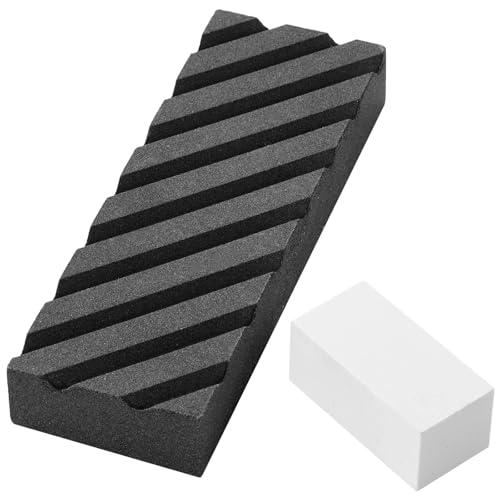
The Angerstone set pairs coarse and fine flatteners. The set is versatile. I use the coarse piece for heavy flattening. Then I switch to the fine face for a smooth finish.
The grooves help move debris away. This keeps the working surface cleaner. The set is designed for regular upkeep. I find it comfortable for longer sessions.
Pros:
- Two-grit system handles rough and fine jobs
- Grooves reduce clogging and speed work
- Comfortable shape for sustained use
- Good balance of removal and finish
- Affordable for a two-piece set
Cons:
- May wear faster with heavy daily use
- Not as large as some single big flatteners
My Recommendation
Buy the Angerstone set if you want a flexible duo. I think it’s a smart pick for people who need both aggressive and finishing options. The two pieces keep my whetstone flattening stone routine efficient. The set gives steady value and ease of use.
| Best for | Why |
|---|---|
| All-around users | Two grits handle any job |
| Small shops | Affordable and useful daily |
| Home chefs | Easy to store and use |
Shun Leveling Flattening Stone

Shun made this leveling stone for chefs who demand speed. It flattens whetstones fast. The stone has grooves for slurry control. I found it gives a repeatable flat surface every time.
It feels premium in hand and fits modern kitchens. Shun’s design is focused on performance. The tool pairs well with fine waterstones. I reach for it before every sharpening session to keep my whetstone flattening stone in top condition.
Pros:
- Designed for fast, consistent flattening
- Premium feel and solid construction
- Groove system reduces mess and clogging
- Compact for kitchen storage
- Trusted kitchen brand backing
Cons:
- Priced higher than budget flatteners
- Smaller surface than some shop plates
My Recommendation
I recommend the Shun leveling stone to serious cooks. If you value speed and a premium tool, this whetstone flattening stone is worth the price. I buy it when I want a shop-grade result in a kitchen-friendly size. It’s reliable and fast.
| Best for | Why |
|---|---|
| Professional cooks | Fast, consistent levelling |
| Home chefs | Kitchen-friendly size |
| Brand fans | Shun quality and design |
Kota Japan Extra Coarse #100

The Kota Japan #100 is a true heavy hitter. It’s extra coarse and removes a lot of material. I use it when stones are neglected or when I need to re-profile an edge quickly. It makes quick work of severe crowns and chips.
Take care with pressure and direction. This whetstone flattening stone can change your stone fast. I always follow with a finer plate to smooth the surface. It’s best for those who accept aggressive removal.
Pros:
- Very fast stock removal for heavy damage
- Sharpens and reshapes efficiently
- Well suited for re-profiling tasks
- Robust build handles sustained use
- Good value for aggressive grit
Cons:
- Too aggressive for routine maintenance
- Needs follow-up with finer stones
- Not ideal for delicate blades
My Recommendation
Use the Kota Japan #100 when you must rescue or re-profile a stone. I recommend it for workshops and heavy users. After using this whetstone flattening stone, always refine the surface with a finer plate. It’s a specialist tool with strong capability.
| Best for | Why |
|---|---|
| Workshops | Handles heavy duty jobs |
| Re-profiling | Fast material removal |
| Experienced users | Needs careful control |
SCOTTCHEN Diamond Lapping Plate
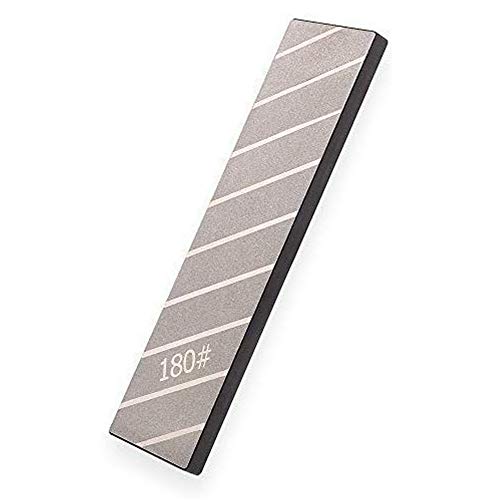
The SCOTTCHEN diamond plate is extra large and double-sided. It features 120 and 180 grit. The diamond surface doesn’t wear like others. I use the plate for rapid flattening of wide stones and for lapping edges on tools.
It stays flat and cleans easily. Because it’s a plate, pressure distributes evenly. This gives a reliably flat finish to my whetstone flattening stone. The size works well for long bench stones and for those who prefer a big working area.
Pros:
- Extra-large coverage for big stones
- Double-sided grits for heavy and fine work
- Diamond surface is long-lasting and easy to clean
- Even pressure distribution yields a flat result
- Good for both stones and metal lapping
Cons:
- Heavier and bulkier to store
- Surface can be aggressive on softer stones
- Price is higher than small flatteners
My Recommendation
Choose the SCOTTCHEN plate for large stones and heavy users. I recommend it if you need coverage and durability. It’s a workhorse whetstone flattening stone for shops and serious hobbyists. Expect excellent longevity and fast flattening.
| Best for | Why |
|---|---|
| Large bench stones | Wide coverage saves time |
| Workshops | Durable diamond surface |
| Toolmakers | Great for lapping metal |
Norton Waterstone Flatstone
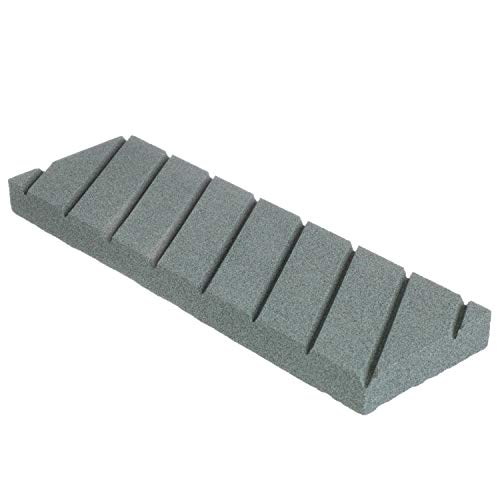
Norton’s flatstone is built for waterstone users. It comes with a holder and case. I like the convenience of storage and the holder that reduces sliding. The flatstone flattens with reliable, even removal.
The holder keeps the tool steady on the bench. The case helps protect the plate between uses. For regular maintenance, this Norton whetstone flattening stone fits well into a routine. It’s solid and dependable.
Pros:
- Comes with holder for stable flattening
- Protective case makes storage easy
- Even, predictable flattening performance
- Good size for most home stones
- Trusted brand name in sharpening tools
Cons:
- Holder adds bulk to the package
- Not as aggressive as coarse diamond plates
- Case material is basic, handle carefully
My Recommendation
I recommend Norton for home users who want neat storage and steady results. The holder and case make this whetstone flattening stone easy to keep organized. It’s a great match for routine maintenance rather than heavy rescue work. You’ll likely keep it on the shelf and use it often.
| Best for | Why |
|---|---|
| Home users | Holder and case add convenience |
| Routine maintenance | Gentle, even flattening |
| Organized workshops | Easy to store and protect |
WEIMY Dual Grit Flattener Set

The WEIMY set pairs 180 and 320 grits in a two-piece package. The colors help me remember which grit I’m using. I use the black 180 for shaping and the white 320 for smoothing. The set is simple and effective.
I appreciate the price-to-performance ratio. It flattens evenly and keeps my stones true. The grooves help clear slurry and maintain bite. For regular upkeep, the WEIMY is reliable and easy to use.
Pros:
- Two grits for shaping and finishing
- Color-coded pieces reduce mistakes
- Good balance of speed and finish
- Affordable and user-friendly
- Grooves help manage slurry during use
Cons:
- Smaller than single large flatteners
- Material wears with heavy professional use
- Not ideal for extreme hollows
My Recommendation
For routine maintenance, I recommend the WEIMY set. It’s practical and wallet-friendly. The dual grit system keeps your whetstone flattening stone program simple and effective. I use mine for weekly upkeep and find it dependable.
| Best for | Why |
|---|---|
| Routine upkeep | Two grits cover maintenance |
| Budget buyers | Good performance for price |
| Home cooks | Easy and safe to use |
The pencil-grid method
- Soak or wet your whetstone as usual.
- Draw a grid of pencil lines across the surface.
- Rub the stone on the flattener (or the flattener on the stone) in figure-eight motions with even pressure.
- Stop when every pencil line is gone. That means the whole surface is level.
- Rinse both stones and chamfer the edges lightly so they do not chip.
Flatten after every one to three sharpening sessions. Little and often is much easier than fixing a deep dish.
How Often to Flatten and a Quick Check
Flatten whenever the surface looks dished or the blade stops cutting evenly. A simple test is to draw pencil lines across the stone. If the lines do not all disappear after a few passes on the flattening plate, the stone is uneven. Soft stones may need flattening every session or two, while harder stones can go longer.
Rinse off the slurry, use light even pressure, and move in a figure-eight pattern so the wear spreads out. A flat stone keeps your angle consistent, which matters as much as grit. See how to use a whetstone for the full sharpening routine.
FAQs Of whetstone flattening stone
Why do I need a whetstone flattening stone?
You need a flattener because stones wear unevenly. A hollow or crown changes the sharpening angle. Flattening restores a true surface. That Keeps knife edges consistent and saves time.
How often should I flatten my sharpening stones?
Flattening frequency depends on use. For regular home use, flatten every 5–10 sharpenings. For heavy or professional use, flatten weekly. Check your stone, if it shows a hollow, flatten it now.
Can I use a flattening stone on oil stones and waterstones?
Yes. Most flatteners work on waterstones and oil stones. Choose grit and method based on the stone condition. Coarse flatteners handle deep hollows; finer plates finish the surface.
Should I wet or dry the flattening stone when in use?
Use water on waterstones and water-based flatteners. Use oil only if the flattener specifies oil. Diamond plates usually work dry or with a little water. Follow the manufacturer’s instructions.
How do I know which grit flattener to buy?
Pick a coarse grit for heavy damage and a finer grit for maintenance. Dual grit sets give flexibility. If unsure, a medium grit with a follow-up fine plate is a safe choice.
How do you dress an old whetstone?
Flatten it on a flattening plate, a coarse diamond plate or wet-and-dry sandpaper on glass, using pencil marks to check when the whole surface is level. This also removes glazing so the stone cuts again.
Final verdict
A flattening stone is the most overlooked part of a sharpening kit. A coarse diamond plate is the fastest and stays flat itself; a cheaper silicon carbide flattener works well too but wears over time.
Maliha Khatun has spent 5 years hands-on testing Japanese knives for everyday home cooks. She has evaluated over 60 blades across nakiri, santoku, gyuto, and petty categories — scoring each on edge retention, steel quality, handle comfort, and value for money. She writes to help home cooks buy the right knife without the guesswork.
Expertise:Japanese Knives • Vegetable Knives • Product Reviews • Kitchen Efficiency • Knife Care